
June CPI inflation beats estimates on higher food prices; FY27 inflation seen at 5%: HSBC
ADVERTISEMENT
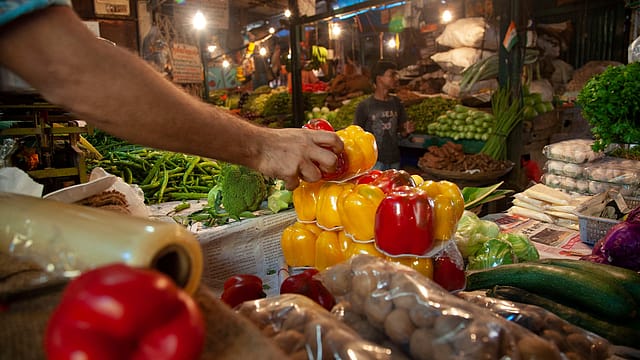
India's retail inflation accelerated to 4.4% year-on-year in June, exceeding both market expectations and the Reserve Bank of India's (RBI) 4% medium-term target, as higher food prices offset moderating core inflation, according to HSBC.
The June Consumer Price Index (CPI) inflation print was higher than 3.9% in May and above the 4.2% forecast by Bloomberg and HSBC. Excluding gold and silver, headline inflation stood at 3.6%, around 70 basis points lower, highlighting the impact of surging precious metal prices on the overall index.
HSBC said the upside surprise was primarily driven by a sharper-than-expected increase in food prices, although the sequential momentum moderated to 0.4% month-on-month (seasonally adjusted) from 0.5% in May.
Inflation not yet broad-based
Despite the rise in headline inflation, HSBC noted that price pressures remain far from broad-based. According to the brokerage's diffusion index, nearly 70% of the items in the CPI basket are still recording inflation below 4%, suggesting that inflationary pressures remain concentrated in select categories.
Non-food goods inflation stood at 5.7%, significantly higher than services inflation, which remained subdued at 2.3%.
Food inflation remains the biggest driver
Food inflation rose more than anticipated during the month, led by broad-based increases in cereals, edible oils, and protein-rich food items such as milk, eggs, meat, and fish. While vegetable prices declined on a sequential basis, prices of tomatoes, chillies and garlic witnessed sharp increases, partly offsetting the broader moderation in the category.
HSBC warned that food inflation could remain elevated in the coming months due to adverse weather conditions. "El Niño conditions are likely to intensify further in the months ahead. Temperatures are already above normal, reservoir levels remain below last year's levels and rainfall is around 20% below normal as of July 13. These factors are likely to keep food prices elevated," the report said.
The brokerage expects average retail inflation to remain around 5% in FY27.
Fuel prices continue to push inflation higher
Energy inflation also continued to increase on a sequential basis, rising 2.2% month-on-month (seasonally adjusted), reflecting the delayed pass-through of fuel price hikes announced in mid-May.
Apart from petrol and diesel, prices of kerosene, firewood, coal and biogas also increased during the month, adding to overall inflationary pressures.
Core inflation remains stable
Core inflation, which excludes food and fuel, remained unchanged at 3.9% year-on-year in June. Sequential core inflation eased to 0.2% from 0.3% in May. Excluding gold and silver, core inflation stood at 2.5%, indicating that underlying price pressures remain contained.
However, inflation in restaurants and accommodation services rose sharply to 6.9% from 5.7% in May, reflecting higher commercial LPG prices.
HSBC noted that this category has recorded an average sequential increase of around 1.6% during the second quarter. However, the reduction in commercial LPG prices in July is expected to provide some relief going forward.
The brokerage said early indicators suggest July inflation is tracking levels similar to June, with vegetable prices rising 11% month-on-month during the first 10 days of the month, marking the third consecutive monthly increase.