
Lok Sabha passes IBC Amendment Bill; FM Sitharaman credits code for strengthening banking sector
ADVERTISEMENT
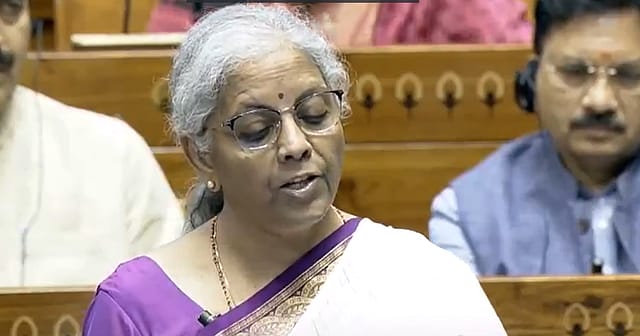
The Lok Sabha on Monday passed the Insolvency and Bankruptcy Code (Amendment) Bill, 2025, with Finance Minister Nirmala Sitharaman asserting that the IBC has played a crucial role in strengthening the health of the country’s banking sector.
Replying to the debate on the Bill, as reported by the Select Committee, the minister said the code has been a “main and very crucial factor” in improving recovery of non-performing assets (NPAs).
IBC helped recover over half of stressed assets
The minister said that more than half of the NPAs have been recovered by banks through the insolvency resolution process under the IBC.
She also highlighted that companies emerging from the resolution process have shown improved performance, with better corporate governance practices after resolution.
12 amendments proposed to streamline process
The amendment Bill proposes 12 changes to the IBC, which was originally enacted in 2016. Key measures include provisions aimed at reducing the time taken for admission of insolvency resolution applications.
The government had introduced the Bill in the Lok Sabha on August 12, 2025, seeking to further strengthen the insolvency framework.
Select panel review and past amendments
The Bill was subsequently referred to a Select Committee of the Lok Sabha, which submitted its report in December 2025.
The IBC has undergone seven amendments since its implementation, reflecting the government’s efforts to fine-tune the law in response to evolving challenges in the insolvency ecosystem. Meanwhile, last week, Sitharaman asserted that India’s economic policy framework is being driven by conviction-led reforms, as she defended the Finance Bill 2026 in the Lok Sabha, describing it as a continuation of structural measures aimed at boosting growth, investment and employment. Replying to the debate, she said reforms were being pursued “not out of compulsion, but out of conviction, with clarity, confidence and commitment,” adding that India is advancing on a reform path under the leadership of Prime Minister Narendra Modi. Her remarks come at a time when the government is seeking to sustain growth momentum while balancing fiscal consolidation with a revival in private investment.