
Oil production disruptions, Hormuz transit risks continue to threaten inflation and growth despite easing energy crisis: Finance Ministry
ADVERTISEMENT
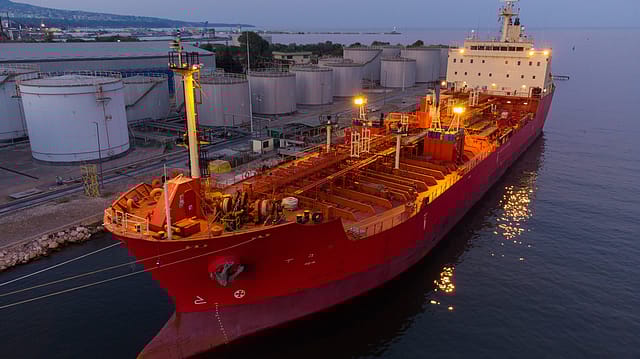
The finance ministry on Tuesday said stress in global energy markets has eased, but continued disruptions to oil production and shipping through the Strait of Hormuz continue to pose risks to global growth and inflation.
"Global energy market stress eased in June 2026 as progress in US-Iran negotiations helped moderate crude oil prices. Nevertheless, ongoing disruptions to oil production and shipping through the Strait of Hormuz, together with persistent geopolitical uncertainties, pose risks to global growth and inflation," the ministry said in the monthly economic review for June.
The ministry said the Indian economy has recorded robust growth of 7.7% in 2025-26, supported by strong performance in manufacturing and services sectors, alongside healthy consumption and investments.
"Overall, the economy continues to exhibit resilience, although emerging signs of moderation in industrial activity, along with evolving inflationary pressures, demand closer attention ahead," it said.
"While easing oil prices and improving global supply-chain conditions may help alleviate some external pressures, uncertainties surrounding the monsoon and geopolitical developments in West Asia continue to pose downside risks to the growth and upside risks to the inflation outlook," it added.
The report pointed out that the economic activity maintained its momentum in the early months of 2026-27, as reflected in high-frequency indicators such as e-way bill generation, PMI indices, and electricity consumption, although some moderation was visible in select indicators.
"Supportive reservoir levels and adequate fertiliser availability continued to provide favourable conditions for agricultural activity. However, the weak progress of the southwest monsoon has weighed on kharif sowing, and the monsoon rainfall deficit is a concern," it added.
The report said the Union government's fiscal position strengthened in FY2025-26 (Provisional Actuals), with the fiscal deficit moderating to 4.4% of GDP, the lowest level since 2018-19.
The report pointed out that the pace of inflation quickened in May, rising by 45 basis points – from 3.48% to 3.93%, but remained within the comfort limit of monetary policy target.
“India’s headline inflation has remained below the monetary policy target of 4%. Core inflation, which approximates the underlying inflation in the economy, also reads at 3.9%. However, given the ongoing West Asia crisis and the subsequent global price shock, domestic inflationary pressures appear to be on an upward trajectory, particularly as fuel and energy price shocks diffuse domestically,” it added.