
RBI likely to hold rates amid evolving West Asia crisis: SBI Research
ADVERTISEMENT
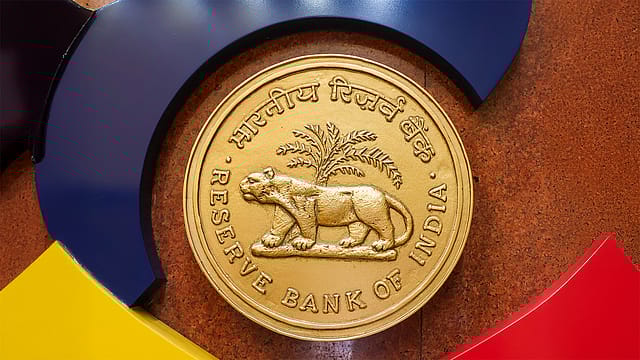
As the West Asia situation continues to evolve, the Reserve Bank of India is likely to maintain a status quo at its Monetary Policy Committee (MPC) meeting scheduled for April 6–8, according to a report by SBI Research on Sunday.
The ongoing conflict in West Asia has triggered significant disruptions in global energy markets, with the International Energy Agency describing the situation as the biggest oil market shock since the 1973 crisis. The effective closure of the Strait of Hormuz and damage to key infrastructure have tightened global supply, pushing crude prices above $100 per barrel and heightening macroeconomic risks worldwide.
India faces rising inflation, currency pressure
The report says India is increasingly feeling the impact of the crisis, with the rupee weakening beyond 93 against the US dollar and imported inflation rising across sectors.
Higher fuel and logistics costs, combined with the risk of a potential 'super’ El Niño weather event, are expected to exert additional upward pressure on inflation. Imported inflation—covering a significant share of the consumption basket—has already outpaced headline inflation and is likely to rise further. While inflation is projected to remain within the Reserve Bank of India’s target band for FY27, near-term pressures could push CPI above 4.5% for the next few quarters.
RBI likely to maintain status quo, focus on stability
As the first monetary policy review since the onset of the conflict, the RBI is expected to adopt a cautious stance and keep policy rates unchanged. Instead, the central bank is likely to prioritise market stability by addressing liquidity conditions, exchange rate volatility and bond market dynamics.
Experts suggest the RBI may consider measures such as 'Operation Twist' to manage the yield curve, raising short-term yields while moderating long-term rates, to ensure alignment with policy signals and maintain financial stability.
System liquidity has already tightened, declining from ₹2.6 lakh crore in February to ₹1.7 lakh crore in March 2026. Analysts believe calibrated liquidity support will be necessary to stabilise both the rupee and bond yields.
India’s balance of payments (BoP) is projected to remain in deficit for the third consecutive year in FY27, with an estimated gap of $31 billion. While the capital account is expected to stay in surplus, it may not fully offset the widening trade deficit driven by higher energy imports.
Global growth outlook faces downside risks
Although global GDP forecasts have not yet seen broad revisions, downward adjustments appear imminent. The Organisation for Economic Co-operation and Development has pegged global growth at around 2.9–3.2% while India’s growth is projected at about 7.2% for FY27, though risks remain tilted to the downside.
Inflation across G20 economies is also expected to rise, increasing the risk of stagflation if geopolitical tensions persist into 2026. The government’s recent decision to grant full customs duty exemption on key petrochemical products until June 2026 is expected to provide some relief by lowering input costs and moderating imported inflation.
Rupee volatility triggers regulatory action
Amid heightened currency volatility, the RBI has introduced measures to curb speculative activity in both onshore and offshore non-deliverable forward markets.
These include tighter limits on banks’ net open positions and stricter scrutiny of forward contracts to ensure genuine hedging activity. While the move aims to stabilise the rupee and prevent speculative pressures, banks may face operational challenges, including potential mark-to-market losses as they adjust positions.
Regulatory tightening in forex markets echoes past interventions, but experts caution that overly rigid limits could constrain genuine hedging needs of businesses amid rising trade and payment uncertainties.