
RBI tightens asset classification and provisioning norms; ‘Expected Credit Loss’ model to be in place from April 1, 2027
ADVERTISEMENT
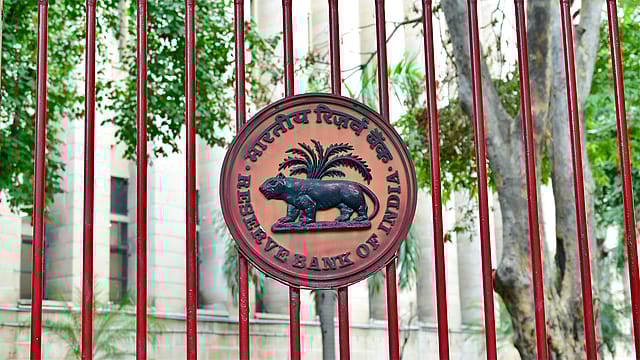
The Reserve Bank of India (RBI), in an important overhaul of banking regulations issued a notification on Monday (April 27) giving final directions for asset classification, provisioning, and income recognition for commercial banks.
Banks will now assess bad loans on a forward looking Expected Credit Loss (ECL) model. To measure ECL, a bank shall assess, “at each reporting date, whether the credit risk on a financial instrument has increased significantly since initial recognition,” it said in the note. “Where such increase has not occurred, the bank shall recognise a loss allowance based on 12-month expected credit losses,” the central bank note said.
This means a bank has to assess if the credit risk of a loan has increased since the initial recognition.
But the definition of a non-performing asset (NPA) shall mean an asset, including a leased asset, which has ceased to generate income for a bank and it defines it as a term loan as one which has not been repaid for 90 days straight.
The changes will come into effect from April 1, 2027.
Jatin Kalra, partner at Grant Thornton Bharat, said the RBI’s final ECL directions mark a significant milestone in strengthening India’s prudential framework, moving the system towards a more forward-looking and risk-sensitive provisioning regime while preserving the robustness of the existing NPA architecture.
Under the new regime, there is a new concept introduced called “significant increase in credit risk’.
The other definitions are where the account remains ‘out of order’ in respect of an Overdraft / Cash Credit (OD/CC); a working capital borrowal account where irregular drawings are permitted in the account for a continuous period of 90 days even though the unit may be working or the borrower's financial position is satisfactory; the bill remains overdue for a period of more than 90 days in the case of bills purchased and discounted; an account where the regular/ad hoc credit limits have not been reviewed/renewed within 180 days from the due date/date of ad hoc sanction.
Some classifications related to tagging of borrowers have also been identified. It has tightened classification rules by mandating borrower-level tagging of stress.
If one exposure to a borrower turns into an NPA, all exposures to that borrower must be classified as NPAs.
Kalra added that “the final framework reflects a thoughtful calibration by the regulator. They have responded meaningfully to industry feedback on prudential floors, cooling period for upgrade of NPA loans, EIR implementation, and operational complexities.”
“The transitional arrangements to spread the capital impact over multiple years does help, but most banks will have to work tirelessly to develop the databases, models, and upgraded systems required for this transition.” he said.