
RBI warns AI stock frenzy could threaten global financial stability despite India's resilient banking system
ADVERTISEMENT
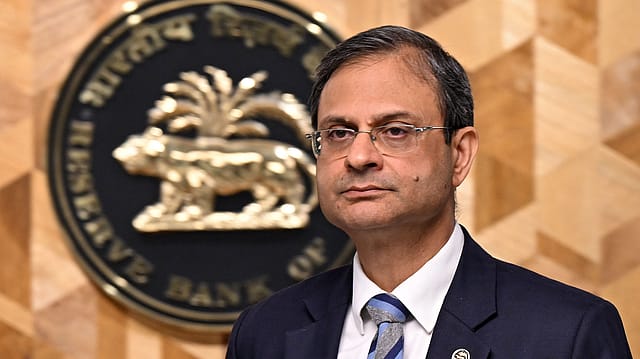
The Reserve Bank of India (RBI) has cautioned that the global rally in artificial intelligence (AI)-related stocks, coupled with elevated asset valuations and concentrated investor exposure, could emerge as a key threat to global financial stability, even as it maintained that India's financial system remains resilient amid growing geopolitical and macroeconomic uncertainties.
In its June 2026 Financial Stability Report (FSR), the central bank said optimism surrounding AI has helped support global financial markets and corporate earnings, but warned that stretched valuations in AI-linked companies could amplify risks if market sentiment reverses.
"A sharp correction in global equity markets, particularly if driven by a reassessment of corporate earnings growth and elevated valuations in AI-related stocks, could spill over to domestic markets," the report said.
The RBI noted that while financial markets have remained resilient following the recent West Asia conflict, optimism driven by AI investments has coincided with growing vulnerabilities, including rising public debt, bond market fragilities and increasing leverage among non-bank financial intermediaries.
AI optimism masking underlying vulnerabilities
According to the report, strong corporate earnings, easier financial conditions and expectations of AI-driven productivity gains have helped global markets recover after an initial bout of volatility triggered by geopolitical tensions. However, these factors have also contributed to elevated asset valuations.
"Global financial stability risks remain elevated," the RBI said, adding that vulnerabilities arising from "elevated public debt, bond market fragilities, high asset valuations, and the growing role of leveraged non-bank financial intermediaries (NBFIs) could amplify future shocks."
The central bank further observed that optimism around long-term AI prospects has pushed equity market valuations higher, particularly in technology-heavy markets, while substantial investments in AI have increased concentration risks in global financial markets.
India remains resilient despite external headwinds
Even as the global risks were highlighted, the RBI struck a confident tone on India's domestic financial system, saying the country's macroeconomic fundamentals provide significant buffers against external shocks.
"The Indian economy and the financial system have demonstrated remarkable resilience despite facing external shocks of significant magnitude," Governor Sanjay Malhotra wrote in the report's foreword.
He added, "Strong growth, low inflation, healthy balance sheets of financial and non-financial firms, and ample buffers have helped preserve macro-financial stability."
The RBI said that while India's macroeconomic fundamentals remain strong, the economy continues to face risks from external shocks, particularly higher energy prices and supply chain disruptions. "Though headwinds from the West Asia conflict are receding with the signing of the interim peace deal, the Indian economy and the financial system continue to remain susceptible to geopolitical tensions and associated shocks," the central bank said.
The RBI noted that "the Indian economy remains exposed to energy price shocks and supply-chain disruptions given its high dependence on imported oil and other key commodities." It added that a sharp correction in global equity markets, especially one driven by "a reassessment of corporate earnings growth and elevated valuations in AI-related stocks," could also spill over to domestic markets. Even so, the central bank said India's sound macroeconomic fundamentals, healthy banking system and adequate capital and liquidity buffers provide important safeguards against external shocks.
Banking system remains well-capitalised
The RBI said scheduled commercial banks remain well positioned to withstand adverse scenarios, supported by strong capital and liquidity buffers, healthy profitability and multi-decade low non-performing assets.
"Scheduled commercial banks remained resilient, supported by strong capital and liquidity buffers, continued improvement in asset quality... and stable profitability," the report said. Macro stress tests indicated that banks would continue to maintain capital ratios comfortably above regulatory requirements even under adverse scenarios.
The report also described non-banking financial companies (NBFCs) as financially sound, supported by healthy profitability, strong capitalisation and improving asset quality, although it cautioned that some entities could face pressure under severe stress conditions.
Bond markets, geopolitical tensions remain key risks
Beyond AI-related risks, the RBI identified rising sovereign debt, higher bond yields and increasing participation of leveraged investors in bond markets among the biggest vulnerabilities facing the global financial system.
It warned that persistent geopolitical tensions, supply-chain disruptions and inflationary pressures could tighten global financial conditions, while highly leveraged investors could amplify market stress during periods of volatility.
Even so, the central bank said India's financial system remains a source of strength for the economy.
"The financial system remains a key source of strength and support for the real economy and India's growth momentum," Governor Malhotra said, while stressing that policymakers remain focused on strengthening financial resilience and guarding against future shocks.