
Vegetarian thali cost rises 5%, non-vegetarian thali 6% in June on higher tomato, onion, and LPG prices: Crisil
ADVERTISEMENT
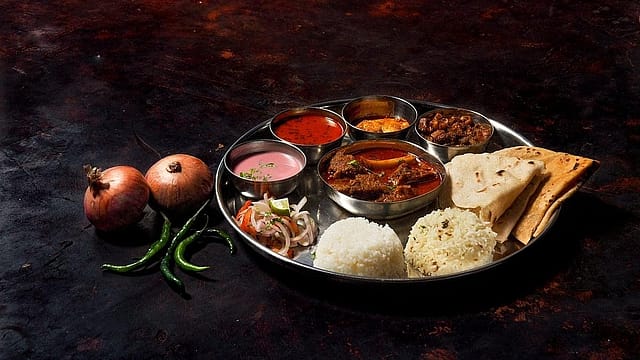
The average cost of preparing a home-cooked vegetarian thali rose 5% year-on-year in June while the cost of a non-vegetarian thali increased 6%, driven by higher prices of tomatoes, onions, vegetable oils and liquefied petroleum gas (LPG), according to a Crisil report.
The rise in cooking costs came despite a decline in potato prices, which partially offset the increase in other key ingredients.
Crisil said tomato prices surged 31% from a year earlier due to delayed and lower summer crop planting. At the same time, vegetable oil and LPG prices remained elevated amid global supply disruptions linked to the ongoing conflict in West Asia.
The report noted that the average cost of preparing a thali is calculated using input prices prevailing across north, south, east and west India, offering an indication of changes in household food expenditure. The calculation factors in the prices of cereals, pulses, broilers, vegetables, spices, edible oil and cooking gas.
The report also highlighted concerns over the progress of the southwest monsoon. Cumulative rainfall between June 1 and July 7 remained around 17% below the long-period average. South India recorded a rainfall deficit of about 15%, Northwest India 19%, and East and Northeast India 39%, while Central India received rainfall that was 1% above normal.
However, monsoon activity has strengthened over the past week, advancing into additional parts of Gujarat as well as Haryana and Punjab. Crisil expects the monsoon to cover the entire country within the next two to three days.
The recent rainfall is expected to improve soil moisture and support ongoing kharif sowing. Even so, the report cautioned that the distribution of rainfall during the remainder of the season will remain a key factor to watch, as the overall monsoon is still expected to remain below normal.
A prolonged rainfall deficit during critical crop growth stages could affect kharif paddy yields, particularly during the flowering stage, tightening supplies from major producing states such as Bihar, West Bengal, Odisha, Chhattisgarh, and Maharashtra and supporting market prices.
Pulses are also expected to remain expensive, with lower opening stocks of urad and moong, coupled with weather-related yield losses in Karnataka, Madhya Pradesh, and Maharashtra, likely to keep prices firm.
Among vegetables, Crisil said onion prices are expected to remain elevated over the medium term due to tight rabi supplies and delayed arrivals of the kharif crop. Any adverse impact of weak monsoon conditions on kharif yields could further tighten supplies.
Potato prices, on the other hand, are likely to edge higher gradually as cold-storage stocks are released into the market.
Tomato prices are expected to remain firm through July and August because of delayed kharif planting and seasonally lower supplies. However, staggered arrivals of the summer crop, particularly from southern states where farmers replanted after heat stress, could help moderate the seasonal spike.
From September, tomato prices are likely to ease as fresh kharif arrivals from southern and western India enter the market. The pace of correction, however, will depend on rainfall distribution, crop health, and the smooth movement of supplies.
"The average cost of preparing a thali at home is calculated based on input prices prevailing in north, south, east and west India. The monthly change reflects the impact on the common man's expenditure and captures the movement in prices of key ingredients used in preparing a meal," said Pushan Sharma, Director, Crisil Intelligence.