
West Asia conflict pushes FY27 inflation forecast to 5.1%, expects Q3 spike to hit 5.9%: RBI MPC minutes
ADVERTISEMENT
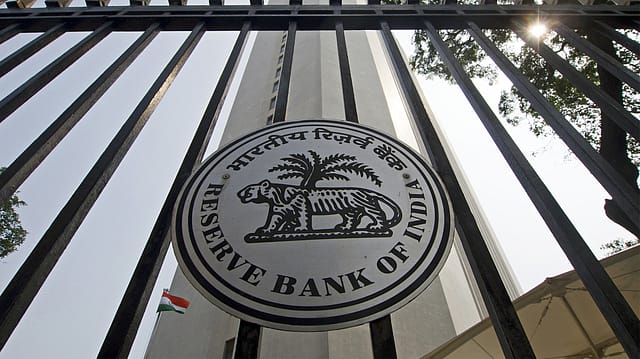
The Reserve Bank of India expects retail inflation to accelerate to 5.1% in 2026-27 and peak at 5.9% in the third quarter, prompting policymakers to unanimously keep the repo rate unchanged at 5.25% amid growing risks from the prolonged West Asia conflict.
Minutes of the Monetary Policy Committee's (MPC) June 3-5 meeting, released on Friday, showed members were increasingly concerned that higher crude oil prices, supply chain disruptions and a likely below-normal monsoon could push inflation close to the RBI's upper tolerance limit of 6%.
The central bank also revised down its FY27 GDP growth forecast to 6.6% from 6.9% projected in April, reflecting the economic impact of elevated energy prices and global uncertainty.
The MPC had voted unanimously to maintain the repo rate at 5.25% and retain the neutral stance, choosing to wait for greater clarity on the persistence of inflationary pressures before taking any policy action.
According to the minutes, retail fuel prices have already been increased by 7.4% for petrol and 8.4% for diesel since May. The RBI estimated the direct impact of the fuel price hike on headline inflation at about 36 basis points, with additional second-round effects expected to emerge in the coming months.
External member Nagesh Kumar described the conflict as a major challenge for the economy. “The West Asia conflict is an important shock for India’s economic outlook in the near term,” he said, citing India's dependence on imported hydrocarbons and fertilisers routed through the Strait of Hormuz.
Economist Saugata Bhattacharya warned that inflation risks were becoming more entrenched. “The outlook for the growth–inflation trade-off in India remains clouded,” he said, adding that higher commodity prices, deficient rainfall forecasts and rising inflation expectations warranted caution.
MPC members noted that domestic demand and investment activity have remained resilient so far, while services exports continue to perform strongly. However, they acknowledged growing strains from higher freight and insurance costs, volatile commodity prices and global financial market uncertainty.
Deputy Governor Poonam Gupta said policy tightening at this stage could aggravate the economic pain from a supply-side shock, arguing that policymakers should wait for global and weather-related uncertainties to play out before considering any change in the policy cycle.
The next MPC meeting is scheduled for August 3-5, 2026.