
Why El Niño is putting India’s agriculture sector and monsoon outlook under pressure
ADVERTISEMENT
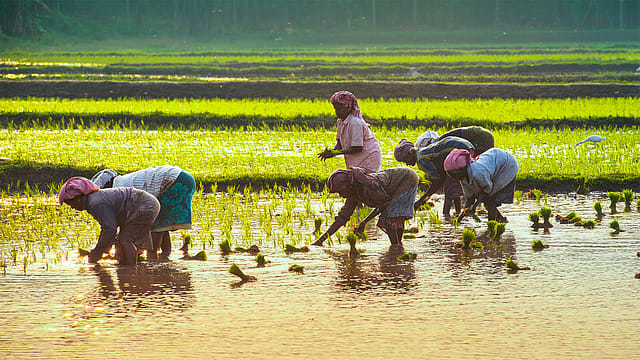
India’s agriculture sector is entering the 2026 kharif season under renewed climate pressure as weather agencies warn of developing El Niño conditions that could increase rainfall variability, intensify heat stress and complicate crop planning in the months ahead.
The India Meteorological Department (IMD) has forecast southwest monsoon rainfall at 90% of the Long Period Average (LPA) for the June–September season, placing rainfall in the below-normal category. While that does not automatically translate into drought conditions or a weak harvest, it raises concerns over the timing and distribution of rainfall—factors that often matter as much as total precipitation for agricultural output.
For an economy where agriculture continues to underpin rural incomes, food supply and consumption demand, the implications extend far beyond weather. Monsoon performance influences sowing decisions, irrigation requirements, crop productivity and food prices.
India receives roughly 70–80% of its annual rainfall during the southwest monsoon, making the season one of the country’s most closely watched economic indicators. This year, however, attention is centred on El Niño and the extent to which it may alter weather patterns across South Asia.
Why does El Niño matter so much for India’s farm economy?
El Niño is a naturally occurring climate phenomenon characterised by warmer-than-normal sea surface temperatures in the central and eastern Pacific Ocean. Historically, it has often coincided with weaker southwest monsoons in India, although the relationship is not absolute and outcomes depend on several interacting climate conditions. Historical analysis referenced in recent reports shows that seven of sixteen El Niño years since 1950 were associated with below-normal monsoon rainfall and drought conditions in India.
Past episodes show why policymakers and markets monitor El Niño closely.
During 1991–92, when monsoon rainfall reached around 91% of LPA, kharif production declined by 7.2% and yields fell 4.4%, according to historical analysis cited by Crisil Intelligence. The 1997–98 season demonstrated a more nuanced outcome: despite rainfall remaining below long-term averages at 92% of LPA, production rose 5.7% and yields improved, suggesting irrigation access and rainfall distribution can offset weather shocks. During the 2015–16 El Niño episode, rainfall fell to 86% of LPA and agricultural output weakened again, with production declining 2.3%.
This year’s concern is not necessarily a collapse in farm output but rising uncertainty.
According to Crisil Intelligence, nearly three-fourths of India’s kharif-sown area could receive below-normal rainfall. States including Punjab, Haryana, Rajasthan, Uttar Pradesh, Gujarat, Madhya Pradesh, Maharashtra and Karnataka are projected to face rainfall deficits. At the same time, healthy reservoir levels and irrigation infrastructure may reduce immediate pressure on sowing and early crop establishment. Reservoir storage remains above normal across western, northern, central and southern regions, although eastern India continues to remain more dependent on the progression of rainfall through the season.
The Centre has also stepped up preparedness. Reports indicate the government has identified 197 districts as particularly vulnerable to El Niño-related disruption and prepared contingency measures focused on crop planning, water management and farmer support.
Can reservoirs and contingency plans shield India from the worst impact?
The bigger risk may emerge later in the crop cycle.
Crisil notes that moisture stress, higher pest and disease pressure and tighter fertiliser availability could affect productivity during the latter half of the season. Historical patterns suggest vegetables, fruits and cotton face relatively higher exposure to weather volatility, while pulses and oilseeds remain moderately vulnerable.
The effects may eventually extend beyond farms. Lower output in key categories could tighten supplies of pulses, vegetables and edible oils and place upward pressure on prices. Hotter conditions could also increase electricity demand during peak summer months.
For India’s farm economy, the 2026 season is becoming less about one weather event and more about managing volatility. Whether the final impact remains limited or becomes more disruptive will depend not only on how much rain arrives, but when and where it falls.