
Maruti Suzuki India’s stock slips over price hike decision
ADVERTISEMENT
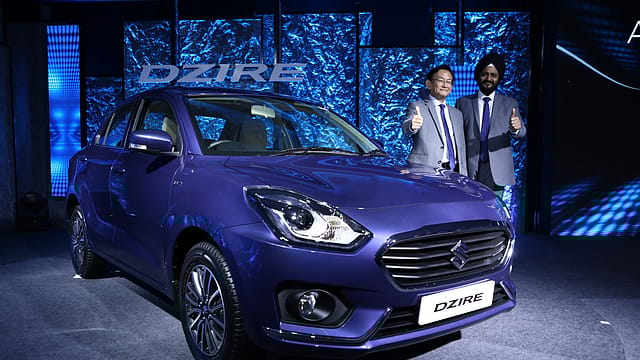
Maruti Suzuki India’s decision to raise prices of its models from next month took a toll on its stocks on Thursday. The shares of the country’s largest carmaker fell close to 5%, ending the day’s trade at Rs 7,209.70 on the BSE while the benchmark Sensex ended at 35,312.13 points, 1.59% lower than the previous day’s close.
The decision to hike prices comes in the wake of a rise in commodity prices and foreign exchange rates. “Over the past year, the cost of the company’s vehicles has been impacted adversely due to increase in commodity prices and foreign exchange rates,” Maruti Suzuki said in a regulatory filing with the exchanges on Wednesday. “Hence, it has become imperative for the company to pass on some impact of the above additional cost to customers through a price increase across various models in January 2019,” the company said.
Maruti Suzuki India’s senior executive director (production) Rajiv Gandhi says that the issue of rising commodity prices has been troubling them for quite some time now. “Now that crude prices are going up drastically, we focus a lot on reduction of consumption—whether it is water or gas or electricity or compressed air. We think about how and where we can reduce. These small savings here and there is what we need to do,” Rajiv Gandhi says.
As part of the efforts to cut costs, Gandhi says the company has begun working on reducing wastage in the use of steel and paint. Besides reprogramming the robots in the assembly line, he says the company is also testing new innovations. “These are some of the measures where we can get drastic improvements to negate the impact of crude and dollar—both of which drive the cost up,” he says.
Other automakers in the country, too, have announced price hikes. Earlier this week, utility vehicle maker Isuzu Motors India announced that it will hike prices of its vehicles by up to Rs 1 lakh from January. Toyota Kirloskar Motor had announced in November that it would hike prices of its models by up to 4% beginning next year.