
Breathless in the Capital: Akum Pharmaceuticals CFO quits due to Delhi air pollution
ADVERTISEMENT
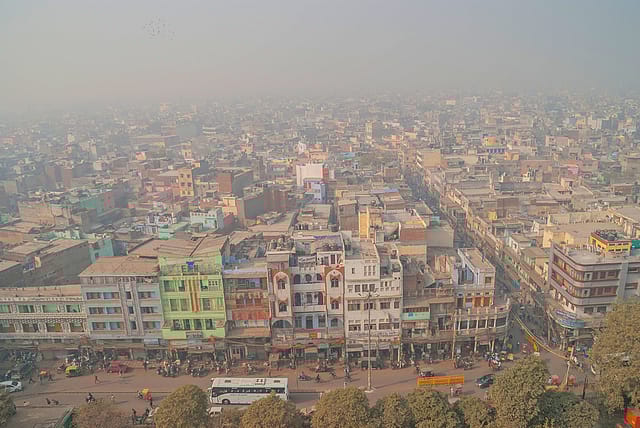
The worsening air quality in the national capital is affecting the lives of millions and far beyond. The pollution is forcing individuals to resign from their jobs and relocate. In one such incident, Rajkumar Bafna, Chief Financial Officer, Akum Drugs and Pharmaceuticals, resigned from his position citing Delhi's air pollution as the main reason.
“I would like to inform you that due to Delhi pollution level I am resigning from my position as President Finance. Kindly relieve me asap,” Bafna, wrote in his resignation email to the company, shows an exchange filing seen by Fortune India.
However, this is not the first incident of its kind. For example, in November, entrepreneur Akshat Shrivastava, the Founder of Wisdom Hatch, posted on social media about his wife, an Indian Economic Service (IES) officer, who chose to resign from her prestigious Group A government job.
She decided to do so because the increasing air pollution in Delhi was impacting the health of their younger son.
In a post on X, Shrivastava wrote, “My wife got UPSC Rank 8th. She was a Group A service officer (Indian Economic Service). Most of her career, she would be in Delhi. Looking at the pollution situation — and our young son — she decided to quit.”
He further advised citizens on health safety as the government is less concerned about the pollution. “None of the governments give a shit. Citizens are mostly brainwashed. And the onus is on you to save yourself,” he said.
Notably, relocating to other cities and in many cases even leaving jobs is rapidly increasing in the city, all thanks to the hazardous air quality of the national capital.
“Leave Delhi even if you go in debt”
In a separate incident, Kunal Kushwaha, a London-based techie who is the Non-resident Indian (NRI) suggested to netizens of Delhi to leave the city even if they have to go in debt. Kunal suggested this when he experienced a bad air quality upon his arrival in Delhi from London.
"I always wondered how the AQI could be so bad? But within minutes of landing in Delhi, I could even taste and smell the air. This is a crisis... Delhi is no longer habitable," Kunal said in a social media post.
Gadkari also criticised Delhi pollution
Interestingly, Delhi’s toxic air drew criticism from within the ruling BJP. On December 25, in an event, Nitin Gadkari, Union Minister of Road Transport and Highways said that I stayed two days in Delhi and got infected.
He further suggested that India needs to reduce imports while increasing exports. “'My Idea of Nation First: Redefining Unalloyed Nationalism', Gadkari said the biggest form of nationalism today will be to increase the country's exports and decrease its imports. I stayed (in Delhi) barely for two days, and an infection followed. Why is Delhi reeling under pollution?” Gadkari said.
No major actions by govt to curb pollution
Sadly, amid the ongoing major environmental crisis in the city, no major actions have been taken by the governments to curb the pollution except some traditional steps.
To fight air pollution, the government is implementing different stages of GRAP (Graded Response Action Plan). This is a set of pollution-control steps that include restricting old, highly polluting vehicles from entering Delhi, halting non-essential construction and road work, advising offices and schools to reduce attendance or shift to work-from-home when air quality crosses unhealthy thresholds, and limiting movement of trucks and heavy vehicles except for essential goods.
Furthermore, the government is increasing the number of electric buses running in the city which release fewer emissions compared to petrol and diesel vehicles.
However, according to health experts, these steps may help immediately but not remain effective in the long run to reduce pollution levels. This is also evident as Delhiites face the same situation every winter for decades. Experts suggest that both central and state governments need to implement a long-term and comprehensive plan to ensure access to good-quality air.