
EU's new waste rules: India cleared for most scrap, but metal waste faces ban from 2027
ADVERTISEMENT
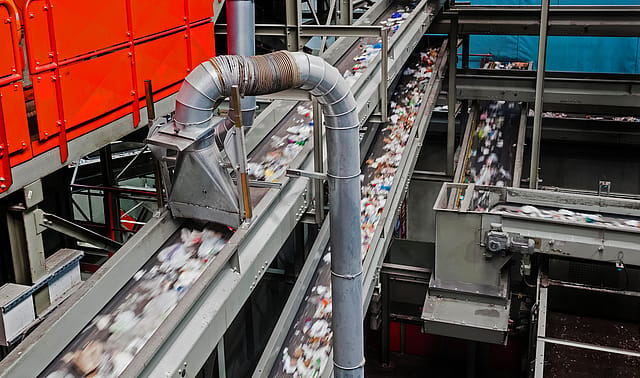
India has secured continued access to most categories of scrap from the European Union but could lose access to a major source of metal scrap from 2027 under a new EU regulatory regime — a development that comes as New Delhi and Brussels move to formalise their landmark free-trade agreement.
The European Commission on September 18 published a draft delegated regulation setting out the non-OECD countries that could continue receiving non-hazardous waste from the EU after May 21, 2027. India has been cleared for paper, wood, rubber, textile, organic and agri-food, mineral, acidic, glass, ceramic, and paint, dye and ink waste.
But metal waste has been excluded.
India had applied for authorisation covering all these categories, including metal waste. The Commission said India met the requirements for the other waste streams but "has not demonstrated it has put in place and implements all necessary measures to ensure that metal waste is managed in an environmentally sound manner."
The proposal is not a final ban yet. The document explicitly says the draft "has not been adopted or endorsed by the European Commission" and represents the preliminary views of Commission services.
The consultation process is expected to run through October, with the authorised-country list to be established by November 21, 2026. The new regime is scheduled to apply from May 21, 2027.
Why metal scrap matters for India
The proposed restriction matters because India is a major destination for European metal scrap, particularly aluminium.
India imported about 366,000 tonnes of aluminium scrap from the EU in 2025, according to industry estimates cited by Reuters. India was also the bloc's largest aluminium-scrap buyer in the first quarter of 2026.
The Commission's concern, however, is not specific to India. In its draft, Brussels says "ferrous and non-ferrous metal waste can present a higher hazard profile than other waste streams" because of the potential presence of persistent and toxic heavy metals including lead, mercury, cadmium and hexavalent chromium.
It also points to the risks associated with processing such waste. "Metallurgical treatment processes, such as shredding, smelting and refining are energy and chemically intensive and can generate significant emissions of fine dust, fumes and contaminated residues," the Commission said.
India is not alone in failing the metal-waste test. The draft similarly excludes metal waste for several other major applicants, including Indonesia, Malaysia, Pakistan, Saudi Arabia, Thailand and Vietnam.
For India, the issue is therefore less about an immediate disruption and more about future access to imported industrial feedstock. Indian steel and aluminium producers and recyclers may have to source more scrap domestically or look to alternative overseas markets if the proposal survives in its current form.
The India-EU FTA connection
The EU and India concluded negotiations on their free-trade agreement in January, with the deal now moving through the formal approval process.
Just days before the Commission published the waste list, Brussels abandoned a proposed 15% export duty on aluminium scrap. Reuters reported that the decision followed concerns that the measure could complicate the finalisation of the India-EU FTA. India, the EU's biggest buyer of aluminium scrap, had lobbied for relief.
The proposed export duty and the Waste Shipment Regulation are separate measures. But the juxtaposition is significant: Brussels dropped the tariff proposal as the trade deal moved towards completion, while the separate waste regime could still restrict India's direct access to EU metal scrap from May 2027.
The Commission's draft also makes clear that the objective extends beyond individual countries. It says the EU may consider separate measures on waste or materials that have ceased to be waste "to address global imbalances, secure the supply of secondary materials and maintain the competitiveness of the EU industry."
That provides an important clue to the broader policy backdrop: Europe is simultaneously tightening environmental controls and looking to secure supplies of secondary raw materials for its own industry.
What happens next
For now, there is no immediate change in India's scrap imports. The draft still has to go through the consultation and adoption process, while the new waste-export regime is scheduled to apply from May 21, 2027.
The Commission also says the authorised-country list will be "regularly updated ... and at least every two years", leaving countries outside the list an opportunity to demonstrate that they meet the required standards.
For Indian recyclers such as Gravita India, CMR Green Technologies, Pondy Oxides & Chemicals and other organised players, the question will ultimately be how much of their raw-material requirement can be sourced domestically or from alternative markets.
For New Delhi, meanwhile, the challenge is broader: securing market access under the India-EU trade deal while ensuring that new environmental and waste-shipment rules do not create a fresh barrier to the industrial raw materials Indian manufacturers depend on.