
Govt has no plans to raise ethanol blending beyond 20%; future decision only after studies: Minister Gopi
ADVERTISEMENT
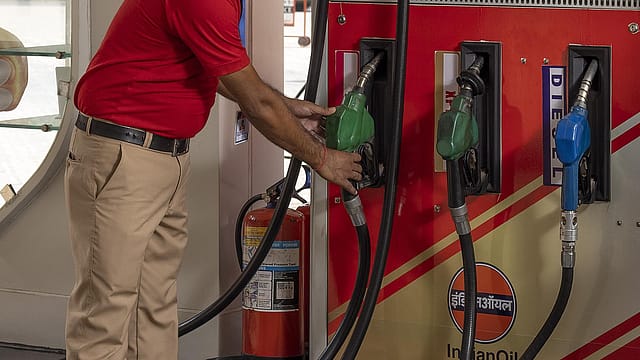
The government on Monday said it has no plans to increase ethanol blending in petrol beyond the current 20% level, adding that any future decision will be taken only after detailed scientific and technical studies and consultations with stakeholders.
Replying to a question in the Rajya Sabha, Minister of State for Petroleum and Natural Gas Suresh Gopi said no decision has been taken to raise ethanol blending beyond the existing E20 level. "So far, no decision has been taken by the government for increasing ethanol blending with petrol beyond 20%," Gopi said in a written reply to Parliament.
He added that any proposal to increase the blending percentage would be considered only after comprehensive scientific and technical assessments and consultations with all relevant stakeholders, including automobile manufacturers, oil marketing companies (OMCs), and research institutions.
The clarification comes amid concerns over the possibility of higher ethanol blending and criticism that increased ethanol content could affect fuel efficiency and vehicle performance.
Gopi said India achieved its target of 20% ethanol blending five years ahead of schedule, with the average blending rate rising from 1.53% in the 2013-14 ethanol supply year to 20% in 2025-26.
Highlighting the benefits of the ethanol blending programme, the minister said it has helped save more than ₹1.97 lakh crore in foreign exchange since 2014-15, reduced crude oil imports by nearly 316 lakh tonnes, avoided around 952 lakh tonnes of carbon dioxide emissions, and generated over ₹1.66 lakh crore in additional income for farmers.
Addressing concerns over vehicle compatibility, Gopi said the government has not received any widespread or substantiated complaints from vehicle manufacturers, automobile associations, or consumers regarding engine failures, fuel pump issues, corrosion, or water contamination linked to E20 fuel.
According to the minister, more than 20 crore two-wheelers and over three crore petrol cars, including many manufactured before E20 certification, have been operating on higher ethanol-blended fuel without any verified evidence of widespread engine damage or breakdowns.
He acknowledged that vehicles originally designed for E10 fuel may experience a marginal 3-5% decline in fuel efficiency when running on E20. However, he said the fuel offers higher octane levels and cleaner combustion while automobile manufacturers continue to honour warranties for vehicles using compliant E20 fuel.