
India–US trade deal: Textiles, pharma, chemicals among key sectoral winners, says Bajaj Broking
ADVERTISEMENT
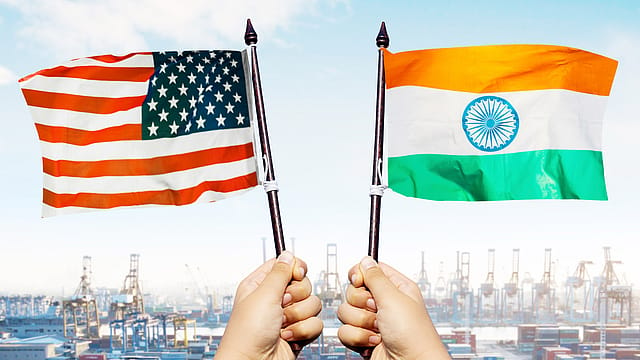
India's export-oriented sectors are in the spotlight on Tuesday after the United States reduced reciprocal tariffs on Indian goods to 18% under a newly announced bilateral trade agreement. The US has also withdrawn the additional penal tariff of 25%, bringing down the effective tariff burden on Indian exports sharply from nearly 50% to 18%.
Bajaj Broking termed the agreement a “meaningful reset” in India–US trade relations, noting that the sharp tariff reduction materially improves landed-price competitiveness for Indian exporters in the US market, where margins had been under sustained pressure.
Textiles and apparel seen as biggest beneficiaries
Among all sectors, textiles and apparel are expected to see the most immediate impact, given their high dependence on the US market. Bajaj Broking said lower tariffs improve India’s competitiveness against exporters from Bangladesh, Vietnam and China, particularly in home textiles, garments and made-ups. Even modest tariff reductions can influence sourcing decisions by US retailers in this labour-intensive, low-margin sector, potentially leading to higher order inflows, better capacity utilisation and margin expansion.
Pharmaceuticals, chemicals gain on pricing and diversification
The pharmaceuticals sector is also expected to benefit, as the US remains the largest market for Indian generic drugs and active pharmaceutical ingredients. Reduced duties improve price competitiveness and support margins in a highly price-sensitive market, while also encouraging greater sourcing from India amid ongoing global supply-chain diversification.
Similarly, exporters of specialty chemicals, agrochemicals and fluorochemicals stand to gain from improved trade economics and continued diversification away from China. Bajaj Broking said tariff relief could support better pricing, higher volumes and stronger customer relationships, especially for companies operating in niche, high-margin applications.
Auto ancillaries, seafood, IT services to see indirect upside
Indian auto component manufacturers, which export forgings, castings, axles and precision components to US OEMs and Tier-1 suppliers, could see improved sourcing opportunities due to enhanced cost competitiveness versus suppliers from Mexico and China. However, the brokerage cautioned that companies with manufacturing facilities in the US may see limited incremental benefits.
Seafood exports, particularly shrimp, are also expected to benefit as tariff rationalisation improves realisations and reduces pricing pressure from Latin American competitors. Given the sector’s thin margins, improved access to the US market could directly support earnings stability.
While tariffs do not directly apply to services, IT services companies could see an indirect benefit from improved bilateral trade relations and a more supportive economic environment, potentially aiding enterprise technology spending in the US.
Relative advantage, but key exclusions remain
Bajaj Broking noted that India’s final 18% tariff rate is lower than that of several Asian peers, including Bangladesh and Sri Lanka at 20% and Pakistan and Thailand at around 19%, giving Indian exporters a relative competitive edge.
However, tariffs under Section 232 on automobiles, steel and aluminium remain unchanged.