
Iran War Impact: India has navigated the oil shock better than other nations. Here’s how
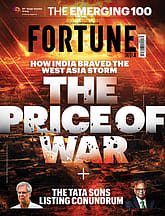
This story belongs to the Fortune India Magazine April 2026 issue.
ADVERTISEMENT
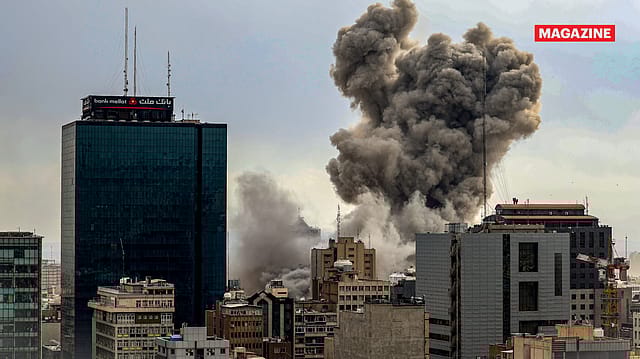
EIGHTY KILOMETRES north-east of Doha, Qatar, where the desert meets the steel-blue waters of the Persian Gulf, lies Ras Laffan Industrial City (RLIC), managed by state-owned QatarEnergy. It is an engineered colossus — 4,500 hectares of pipelines, storage tanks, refineries and petrochemical complexes stitched together into what is widely regarded as the world’s largest artificial harbour.
Over decades, QatarEnergy partnered with global giants such as ExxonMobil and Shell, pouring billions into building a sprawling export machine. The result: the world’s largest liquefied natural gas (LNG) hub, with an annual capacity exceeding 77 million tonnes (MT), powering everything, from LNG to petrochemicals and gas-to-liquids output. Expansion plans were also underway to nearly double the capacity to 142 million tonnes per annum (MTPA) by 2030.