
Iran War Impact: The energy shock that ripples through India, writes Vishal Kampani

This story belongs to the Fortune India Magazine April 2026 issue.
ADVERTISEMENT
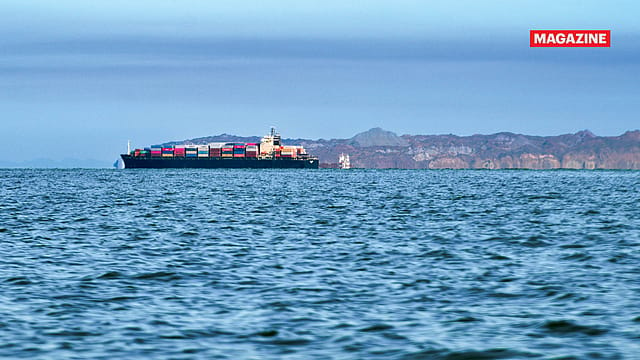
The Strait of Hormuz, the key artery of global energy supply, has become the key battleground of the Middle East conflict involving Iran, Israel, and the U.S. As Iran has weaponised the strait, the geopolitical consequences of that development cascaded quickly into energy markets. Tanker operators suspended voyages through the Persian Gulf, war-risk insurance premiums surged, and shipping activity through the Strait of Hormuz came almost to a standstill.
The knock-on effects across global commodity markets were immediate and severe. Brent crude breaching the $100-per-barrel mark in March marks the fourth such instance in the past 25 years. Each of the preceding three oil shocks—in 2008, 2012, and 2022—inflicted real damage on India’s external balances and currency, but the degree of harm progressively moderated. That trend offers a degree of reassurance even as the current shock unfolds.
In the September 2008 quarter, India’s trade deficit deteriorated to -14.4% of GDP. By December 2012, during the next significant spike, the damage moderated to -11.7%. And in the September 2022 shock, the trade deficit came in at -9.7%—still painful, but materially less so. The current account deficit told a similar story: it peaked at -6.8% of GDP in December 2012, but moderated to -3.8% in September 2022. The rupee, too, took a significant blow in 2012, depreciating 12.5% against the dollar.
As a percentage of GDP, oil import costs have halved—from 8.9% in 2013 to nearly 4.3% in 2025. India’s economy has diversified, improved its energy productivity, and grown large enough that the same dollar volume of oil imports represents a proportionally smaller burden. Total oil imports are expected to hold broadly flat at around $183 billion in FY26E, reflecting improved efficiency in the economy.