
Crude oil prices surge nearly 2% as US strikes Iran; sanctions reignite supply fears
ADVERTISEMENT
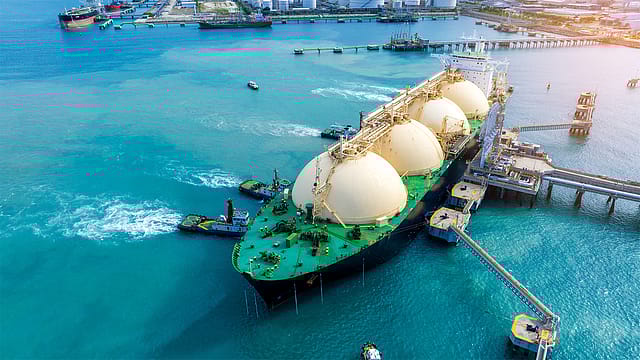
Global crude oil prices extended their rally on Wednesday, climbing nearly 2% after the US launched airstrikes against Iran and tightened sanctions on Iranian crude exports, reigniting concerns over supply disruptions in the oil-rich West Asia region.
Brent crude futures rose $1.38, or 1.9%, to $75.54 a barrel, while US West Texas Intermediate (WTI) crude gained $1.37, or 1.9%, to $71.81 a barrel at 0128 GMT. The gains came after both benchmarks had already advanced around 3% in the previous session.
Fresh geopolitical tensions lift crude
The latest spike followed US military action against Iran in response to attacks on three commercial vessels transiting the Strait of Hormuz, according to US Central Command. Washington also revoked the general licence that had allowed the sale of Iranian crude, further tightening pressure on Tehran's energy exports.
The Strait of Hormuz, through which nearly one-fifth of global energy supplies move, remains one of the world's most strategically important shipping lanes. Any threat to traffic through the waterway tends to trigger immediate reactions in global oil markets.
The latest developments have unsettled traders who had turned increasingly bearish after the US and Iran reached a ceasefire agreement last month. That truce had pushed oil prices back to pre-conflict levels on expectations that additional West Asian crude supplies would return to the market.
However, the renewed military confrontation has reversed that sentiment, with investors now reassessing supply risks.
Although Iran denied responsibility for the attacks on commercial vessels, Qatar accused Tehran of being behind the incidents, including a drone strike on a Qatari liquefied natural gas tanker that reportedly caused a fire in its engine room. Maritime security sources also reported damage to a Saudi-flagged crude tanker off the coast of Oman, though the exact cause remains under investigation.
Iran has also instructed ships to follow a route closer to its coastline instead of the channel nearer to Oman, adding to concerns over the safety of commercial shipping in the region. The US has reiterated that navigation through the Strait of Hormuz must remain open.
Supporting the bullish sentiment, US crude inventories declined again last week, according to market sources citing data from the American Petroleum Institute. Analysts surveyed by Reuters had expected a drawdown of about 2.4 million barrels for the week ended July 3, indicating firm demand alongside mounting geopolitical risks.