
Sebi expands permitted use of borrowings for highly leveraged InvITs
ADVERTISEMENT
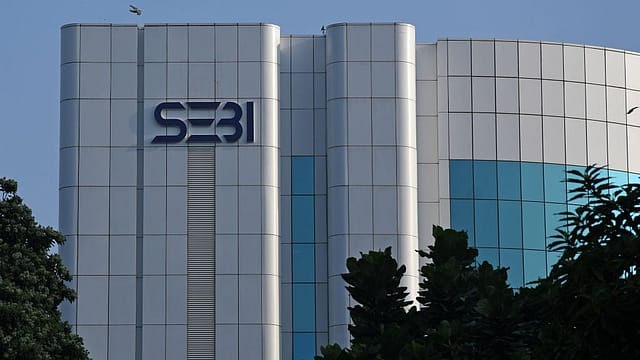
Markets regulator Sebi on Friday widened the permitted use of fresh borrowings by Infrastructure Investment Trusts (InvITs) whose net debt exceeds 49% of the value of their assets.
The changes, which have come into force with immediate effect, are aimed at providing greater flexibility to InvITs in managing funding requirements.
In a circular, Sebi said InvITs can use such borrowings for capital expenditure to enhance asset performance or for capacity augmentation. The regulator has also allowed these funds to be used for major maintenance expenses related to road projects.
Sebi clarified that major maintenance refers to non-routine expenditure incurred in line with obligations under concession agreements.
Further, the regulator has permitted refinancing of debt by the InvIT, its special purpose vehicle (SPV), or holding company (Holdco), subject to certain conditions.
The original debt being refinanced must have been used for purposes allowed under the regulations, and only the principal amount can be refinanced, as per the Sebi circular.
Accrued interest, fees and other charges will not be eligible for refinancing.
The move follows amendments to the Sebi (Infrastructure Investment Trusts) Regulations notified in April, which allowed additional borrowing beyond the 49% threshold for purposes specified by the regulator.
In a separate circular, Sebi clarified that an SPV holding an infrastructure project will continue to be treated as an SPV even after the concession agreement or a similar agreement comes to an end, subject to certain conditions.
The investment manager of the InvIT will have to either exit the investment in such SPV through sale, liquidation, winding up or merger, or acquire a new infrastructure project in the same SPV within one year.
The one-year period will be counted from the later of the completion or termination of the concession agreement, conclusion of pending claims, litigation or tax assessments, and related appeals, or completion of the defect liability period.
Sebi said the time taken to obtain statutory or regulatory approvals for the sale, liquidation, winding up, or merger of the SPV will be excluded from this timeline.
Until the investment is exited or a new project is acquired, InvITs will be required to provide detailed disclosures in their annual reports.
These disclosures will include the value of investments in such SPVs, project details, status of vesting certificates, assets and liabilities, contingent liabilities, debt repayment schedules, adequacy of assets to meet liabilities, and the proposed exit strategy and timeline.