
India’s semiconductor ascent: Collaboration is key to accelerating India’s contributions to global chip industry
ADVERTISEMENT
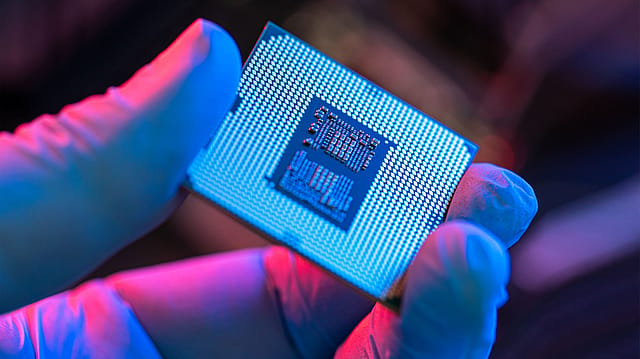
The global semiconductor landscape is at a critical inflection point, with geopolitical shifts and technological demand reshaping supply chains. In this dynamic environment, India is making a strategic and determined push to establish itself as a formidable force in the industry. As the digital backbone of the global economy, semiconductors are more crucial than ever, and for India, the ambition is twofold: to secure its own technological future and to become a trusted, integral node in the worldwide ecosystem. The path forward is rich with opportunity but requires a clear-eyed strategy to navigate significant structural challenges.
The landscape of opportunity
India’s ambition is anchored by a powerful combination of market dynamics and government will. The nation is on track to become one of the world’s largest electronics markets. The immense internal appetite for everything from smartphones and data centres to electric vehicles. Along with this growth, India continues to demonstrate strength as a powerhouse in semiconductor design, where a vast pool of skilled engineers already contributes to an estimated 20% of the world's semiconductor design workforce, making it a recognised hub for global R&D.
Exploring the possibilities: Moving up the value chain
India’s strategy extends beyond fabrication to capture value across the entire semiconductor supply chain. The initial focus is on establishing a strong base in Assembly, Testing, Marking, and Packaging (ATMP), a critical and less capital-intensive segment that allows India to build foundational capabilities and integrate into the global supply chain relatively quickly. The true long-term opportunity, however, lies in elevating the country's design capabilities from execution to innovation. By fostering a vibrant startup ecosystem and strengthening industry-academia partnerships, India can transition from being a design services centre to a global hub for defining system architecture and developing new intellectual property. Furthermore, a significant opportunity exists to become a leader in “more than Moore” technologies, such as compound semiconductors (like Gallium Nitride and Silicon Carbide) and power electronics. These are vital for high-growth sectors like 5G/6G communications and electric vehicles, and by making targeted investments, India can carve out a leadership position in these specialised, high-value markets.
The path forward: Building a resilient ecosystem
India’s semiconductor journey is a marathon that requires patience and persistence. The government has created a strong foundation, and the world is taking notice. The journey is ambitious and not without significant hurdles that require sustained focus and long-term commitment.
Success now hinges on execution and building a truly self-sustaining ecosystem. This means investing heavily in R&D and talent development by creating specialised training institutes and modernising university curricula. It also requires a concerted effort to incentivise the development of a local supply chain for raw materials, equipment, and specialty chemicals to reduce external dependencies. By fostering deep collaboration between the government, global industry leaders, domestic champions, and its world-class academic institutions, India can systematically overcome these challenges. The goal is not just to achieve self-reliance but to become a trusted, innovative, and indispensable partner in the global semiconductor industry, powering a more connected and prosperous future.
(The author is Corporate Vice President & Managing Director, Lam Research India. Views are personal.)