
The return to real economy lending for NBFCs in 2026
ADVERTISEMENT
As we close the books on 2025, the narrative for India’s non-banking financial companies (NBFCs) is shifting decisively. For the better part of the last two years, the industry has been caught in a tug-of-war between the breathless speed of unsecured digital lending and the grinding, cyclical reality of the asset-backed economy.
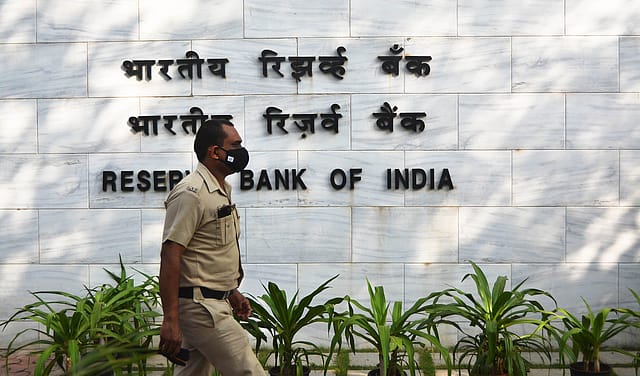
Looking ahead to 2026, the dust is settling. The recent decision by the Reserve Bank of India to cut the repo rate by 25 basis points is not just a monetary signal. It is a validation of stability. But as we step into this new fiscal year, the rules of engagement have changed. 2026 will not be about who can grow the fastest. It will be about who can grow the deepest, anchored in the real economy of trucks, tractors, and small enterprises.
Infrastructure: The Roadmap vs The Road
The most compelling opportunity for 2026 isn’t in an app. It’s on the highway. Recent reports highlight a structural truth we see on the ground every day: India is in the middle of a multi-year infrastructure super-cycle.
A large part of this story is playing out beyond metros. Rural and semi-urban India is seeing healthy consumption, with customers willing to borrow to add a second vehicle, expand a small fleet, or invest in productive assets.
However, we must distinguish between the roadmap and the road. While the national infrastructure push is our true north, the current reality is nuanced. We are seeing a clear divergence. The Commercial Vehicle (CV) segment is witnessing a robust pickup in ground-level activity and demand. The Construction Equipment (CE) cycle, meanwhile, is currently facing headwinds. Delayed payments to contractors have led to a temporary stress build-up in the CE book. This prompts a more cautious, selective approach in the immediate term.
This is the “good growth” challenge. It requires patience. The demand for tippers and heavy equipment will return as payment cycles normalise, but for 2026, the smart money is on used commercial vehicles and passenger vehicles. That’s where utilisation remains high and cash flows are immediate.
Rural Demand: Signals from the Ground
Rural India is also sending the right signals. In the recent quarter, we have seen steady demand in vehicle and farm-linked activity, with tractors and other auto categories showing healthy buying interest from customers outside the big cities. Disbursements and the overall book have continued to grow at a measured but consistent pace, supported by slightly higher ticket sizes and the ability to win customers from smaller
local financiers. Put simply, credit is still flowing into productive uses in the heartland, even as we keep a close watch on a few stressed pockets.
The Risk Reality: Collateral is King
We cannot ignore the warnings flashing on the dashboard. Data from rating reports point to a divergence in asset quality. While the broader system is stable, pockets of stress have emerged. Most notably in microfinance and select MSME segments.
For the sector, this serves as a necessary corrective. The “unsecured boom” in recent years put algorithm-based underwriting to the test. The lesson for 2026 is simple. Collateral is king.
Market analysts often flag the CV cycle as a watch-point during transition periods. And yes, fuel costs are a factor. But from where we sit, financing the used truck at a transport hub, the view is different. The asset is moving. Freight is available. The operator is paying. The stress is often overstated by those looking only at headline numbers rather than lane utilisation. In asset finance, we know the asset, we know its resale value, and we know the operator's cash flow. The ability to be on the ground, to distinguish between a borrower who cannot pay due to a delayed government contract versus one who will not pay, that’s what will separate the serious players from the tourists in 2026.
The Funding Advantage: Quality over Quantity
The liability side of the balance sheet matters in 2026. The RBI’s rate cut provides some relief for margins that have been compressed. As funding costs ease, net interest margins should improve, and lower EMI burdens for customers should also support their repayment capacity. Sector reports note that banks are becoming more selective in their lending to NBFCs, favouring those with strong balance sheets and diversified portfolios. This selectivity means that the cost of capital will likely vary across the sector, with larger, well-capitalised players having better access to funding.
The Verdict: Responsible Scale
So what does NBFC 2026 look like?
It looks like a return to something closer to normal. But a healthy normal. Growth in secured, income-generating segments, particularly in rural and semi-urban India, is likely to be steady, supported by resilient consumption and credit demand in these markets.
We are trading the heady, high double-digit growth of the recent unsecured boom for a more sustainable trajectory in secured lending.
The opportunities are immense for those who understand the “Real India”. The small business owner, the trucker, the farmer. They are resilient. They are navigating
temporary cash flow disconnects in the infra space, but their long-term trajectory is upward. They need credit that understands their cash flow, not just their credit score.
As we navigate 2026, the mantra for the industry should be Responsible Scale. We must grow not by chasing the easiest customer, but by backing the most productive one. The headwinds of 2025 have tempered us. The tailwinds of 2026 are now filling our sails. It is time to get back to work.
(The author is Executive Vice Chairman, Shriram Finance. Views are personal.)