
Want to upgrade from a 2BHK to a 3BHK? Here’s how homebuyers can financially plan for their second property
ADVERTISEMENT
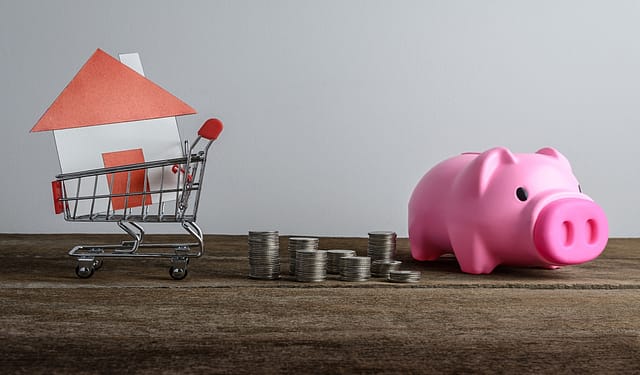
The aspiration to upgrade from a 2BHK to a 3BHK has grown noticeably in recent years. Basically, upgrading to a bigger house is a big step for many homebuyers, often driven by growing families or the need for more space. Rising incomes, hybrid work culture, multi-generational living and the need for multifunctional rooms have reshaped what families expect from a home.
However, buying a second, larger home comes with higher costs, tighter loan rules and long-term financial commitments. Therefore, an upgrade requires thoughtful financial planning because the financial considerations of a second property are very different from those of the first. Careful planning is key to avoiding stress later. Here’s how buyers can assess affordability, manage existing loans and plan smartly for the upgrade.
Shankesh Sanghvi, Managing Director, Sanghvi Realty, said, “The first step is to look at the equity in the home. Many purchasers nowadays have made a lot of money on their current house because it has gone up in value. Using this equity, either by selling the current property or using it as collateral, can make the down payment for the improvement much easier. In places where property values have gone up a lot, selling a 2BHK can help pay for a lot of the difference in price for a 3BHK, making the move easier on the wallet.”
For those who prefer not to sell their existing property, a home-loan balance transfer with a top-up component, or a second home loan, is a viable option. “Buyers should be mindful of EMI-to-income ratios and long-term repayment comfort rather than short-term affordability. Ideally, total EMIs — including both properties, if retained — should not exceed 40–45% of household income. Planning for prepayments during peak earning years can help control total interest outflow and reduce financial stress,” said Sanghvi.
Maintenance and operation expenditures are also key financial factors. A 3BHK in a high-end residential building will normally have higher monthly society fees. When people are trying to figure out how much they can spend, they often forget about this recurring expenditure. Also, property taxes, parking fees, interior design costs, and moving costs should all be planned for early on to avoid problems with cash flow after the purchase.
Buyers upgrading for lifestyle reasons should be strategic about location and amenities. A 3BHK in a growth micro-market with strong social and infrastructure development tends to deliver better long-term value and resale potential than a bigger apartment in a saturated zone. Families today also care a lot about community amenities, safety, digital infrastructure, wellness facilities, and planning that is good for kids. All of these things make a place more liveable and valuable in the future.
Finally, moving up to a 3BHK is not just a real estate move; it's also a big financial step. “The decision should be based on a clear understanding of how your income will change over time, how much cash you have on hand, and your family's long-term goals. Moving from a 2BHK to a 3BHK can improve your quality of life and make your long-term financial security stronger if you plan ahead and make realistic financial assumptions,” adds Sanghvi.