
Fortune India Explainer: How Elon Musk became the world’s first trillionaire with SpaceX listing
ADVERTISEMENT
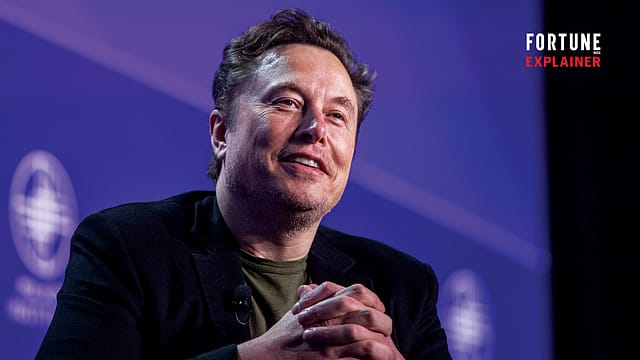
SpaceX's Nasdaq debut on Friday marked the largest IPO in history and propelled founder Elon Musk into uncharted territory. The company raised $75 billion, briefly crossed a valuation of $2 trillion and helped make Musk the first person with a net worth above $1 trillion.
Fortune India brings you an explainer about SpaceX’s listing and how Elon Musk became a trillionaire.
1. What was SpaceX's listing performance?
SpaceX priced its IPO at $135 per share, valuing the company at about $1.77 trillion. When trading began on Nasdaq on Friday, the stock opened at $150, giving investors an 11.1% gain over the IPO price. The opening was below earlier indications of interest, which had suggested the shares could begin trading at around $175. That was more than 14% higher than the eventual opening price.
The stock climbed further during the day and touched an intraday high of about $173. It eventually closed at $161.20, up nearly 19.4% from its IPO price. The closing valuation stood above $2 trillion.
2. What were the key details of the IPO?
SpaceX raised $75 billion through the sale of roughly 555.6 million shares at $135 apiece, making it the largest public offering on record. According to the company's filing, the proceeds will be used to support expansion across its launch business, Starlink satellite network, AI infrastructure initiatives, and long-term space exploration projects.
The IPO also included a greenshoe option, which allows underwriters to purchase additional shares if demand remains strong after listing. The provision helps stabilise trading and manage excess demand. During the listing celebrations, some SpaceX employees wore green shoes in a light-hearted reference to the mechanism.
3. How valuable is SpaceX after the listing?
At its IPO valuation of $1.77 trillion, SpaceX entered the public markets as the sixth-largest listed company in the world. The company joined a small group of firms valued at more than $1 trillion. At various points during its first trading session, SpaceX's market capitalisation exceeded $2 trillion, placing it among the world's most valuable publicly traded companies.
The valuation reflects investor expectations for SpaceX's launch business, Starlink satellite internet operations, government contracts and future projects in communications, AI infrastructure and space exploration.
4. Why did SpaceX go public now?
For years, Musk resisted taking SpaceX public, arguing that the company needed to focus on long-term goals rather than quarterly market expectations. Speaking from Starbase, Texas, during the Nasdaq opening bell ceremony, Musk said the company now requires additional capital to support its next phase of growth.
SpaceX plans to invest in new satellite systems, space-based data centres and technologies linked to its long-term goal of establishing a human presence on Mars.
Musk reiterated the company's broader mission of making humanity a multi-planetary species. "Not just a few astronauts, I mean literally you," Musk said. "Whoever you are watching this, SpaceX wants to be able to take you to the moon, take you to Mars and ultimately beyond."
5. Why isn't SpaceX in the S&P 500 and Nasdaq-100 yet?
Despite its size, SpaceX was not immediately added to major indices such as the S&P 500 and Nasdaq-100. Index inclusion depends on more than market capitalisation. Companies must meet requirements related to public trading history, share float and eligibility rules set by index providers.
As a newly listed company, SpaceX will have to satisfy those conditions before it can be considered for inclusion. Once eligible, its size could make it a significant addition to major benchmarks.
6. How did Elon Musk become the world's first trillionaire?
Musk's wealth is largely tied to his ownership stakes in the companies he founded or leads.
The SpaceX listing provided a public-market valuation for his holdings in the company. With SpaceX debuting at roughly $1.77 trillion and later crossing the $2 trillion mark, the value of Musk's stake rose sharply. Combined with his holdings in Tesla and other ventures, the listing pushed his net worth beyond $1 trillion, making him the first person to reach that milestone.
7. How much does Musk earn as salary?
Despite being the world's richest person, Musk's reported salary remains relatively modest.
Regulatory filings show that he receives an annual salary of about $54,000 from SpaceX. Most of his wealth does not come from salary or bonuses. Instead, it comes from his ownership stakes in SpaceX, Tesla and his other businesses. As a result, changes in the value of those companies have a much larger impact on his net worth than executive compensation.