
Telegram returns in India as temporary ban expires; app restored on Google Play
ADVERTISEMENT
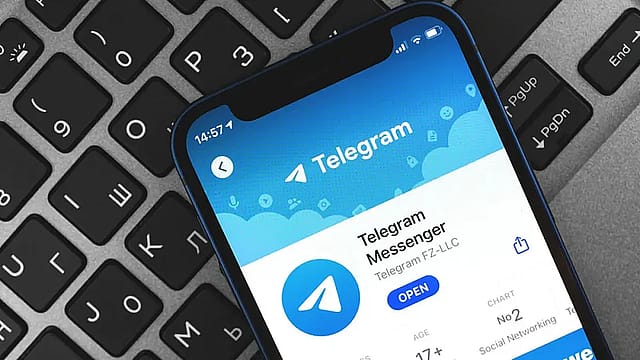
Instant messaging platform Telegram began returning to service in India on Tuesday after a week-long government ban expired, with the app reappearing on Google's Play Store while remaining unavailable on Apple's App Store for several hours.
The platform had already become accessible to some existing users early on Tuesday morning before Google formally restored downloads. As of around 12 noon, Telegram remained delisted from Apple's App Store. Apple did not immediately respond to an emailed request for comment.
Existing Telegram users on Apple iPhones were, however, able to use the messaging service.
The government had imposed a blanket ban on Telegram and its associated web services until June 22, citing the platform's failure to curb the circulation of leaked and fake National Eligibility-cum-Entrance Test (NEET) examination papers, misleading content and other fraudulent activities linked to the country's medical entrance examination process.
Telegram had challenged the temporary blocking order before the Delhi High Court. However, the court ruled on Friday that the restrictions were lawful, proportionate and necessary to safeguard the integrity of a national medical entrance examination. The court also rejected Telegram's contention that the government had acted arbitrarily or failed to follow due process.
Sources familiar with the matter said there had been no extension or modification to the government's order.
Before imposing the ban, officials met Telegram representatives on June 3 and flagged concerns over the platform's role in the spread of examination-related fraud. The Centre subsequently ordered internet service providers and app stores to block Telegram, its web version and related links until June 22.
Telegram has separately been directed to disable its message-editing feature until June 30, according to government instructions.
The restrictions coincided with the NEET re-examination held on June 21. Authorities have so far reported no major instances of fraudulent activity linked to the test.
Telegram Founder and Chief Executive Pavel Durov criticised the move, saying India's Information Technology Ministry had banned the app "for one week because some users shared leaked exam questions".
Durov also alleged that Reliance, together with rival messaging platform WhatsApp, may have lobbied for the restriction.
The Telegram CEO alleged that Reliance and WhatsApp were lobbying to ban the app in India and sabotage its global access. Durov claimed that an Indian telecom provider deliberately disrupted Telegram's international traffic -- affecting users in places like the UAE -- using a routing manipulation technique called Border Gateway Protocol (BGP) hijacking. He further claimed that Meta Platforms -- the parent company of WhatsApp -- held a partial stake in Reliance.
Reliance Jio strongly rejected the BGP hijacking allegations, stating its network operates strictly in line with global routing standards. Telecom industry sources also pointed out that Durov appeared to confuse separate entities, likely mixing up Reliance Communications with Reliance Industries Limited (which owns Jio).
The temporary suspension marked one of India's most sweeping actions against a major messaging platform, underscoring growing regulatory scrutiny of digital services amid concerns over exam-related fraud and online misinformation.