
Iran threat to banks puts Gulf’s financial hub ambitions under spotlight
ADVERTISEMENT
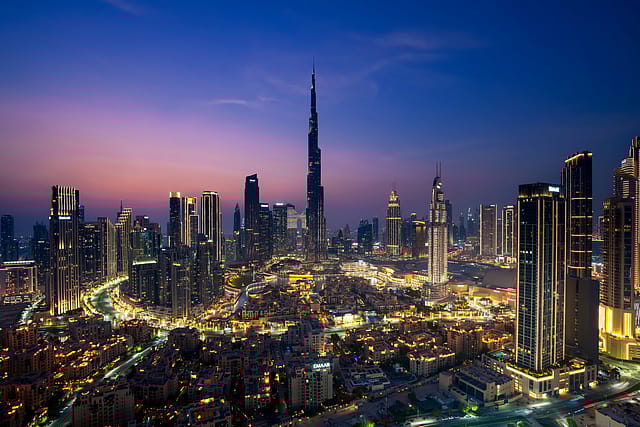
Iran’s threat to target the banks and financial centers in the Middle East amid the ongoing war with US-Israel has put the spotlight on a strategic shift being witnessed in the region. For more than a decade, oil-rich economies in the Middle East have been trying to transform themselves into financial hubs as part of their strategy to break away from hydrocarbon dependency.
Reports say that this strategy has gained more importance as the world is shifting towards an energy transition strategy. The Gulf economies are aware that oil demand is likely to decrease over time and hence are trying to diversify their economies and increase their presence in financial markets around the globe.
Iran-Gulf tensions put spotlight on Dubai’s property boom, but fundamentals remain strong
A pivot beyond oil
Data suggest that for decades, the economies of Gulf Cooperation Council (GCC) countries have relied on oil and gas exports as major revenue generators. The declining oil price cycles and the shift in global energy demand toward cleaner and greener sources have encouraged Gulf economies to invest heavily in new sectors and diversify their economies.
Building strong financial centers has become an integral part of this strategy. The Gulf economies are trying to become gateways between Asia, Europe, and Africa.
Another factor is their geographical advantage. Financial centers in the Gulf can link the trading days and hours of the West and the East, enabling financial institutions to operate over time zones.
Dubai leads the financial push
Dubai has become the most prominent financial gateway in the region with the Dubai International Financial Centre (DIFC). It has its own set of laws, which are based on international laws, making it an attractive hub for financial institutions, banks, and fintech companies worldwide.
Thousands of financial institutions are operating from the DIFC, making it one of the most important financial centers for investments in emerging economies of the Middle East, Africa, and South Asia.
Building a financial hub: Saudi Arabia’s attempt
According to the reports, the Saudi government has been making rapid strides in developing its financial center with the establishment of the King Abdullah Financial District in Riyadh, as part of the Vision 2030 program. The government has been encouraging multinational companies to set up their regional headquarters in the country.
The vast sovereign wealth funds of the region, such as those of Saudi Arabia, Abu Dhabi, and Qatar, are also fueling this financial thrust. Trillions of dollars of investment worldwide require advanced banking, asset management, and financial services infrastructure.
In this context of growth, Iran’s threat to attack financial institutions poses a concern to the Gulf’s financial aspirations. Financial hubs require stability and investor confidence to thrive, and this is where geopolitics comes into play as a major driver of economic evolution.