
PM Modi's Israel visit: From defence pacts to Knesset address, what is on the agenda?
ADVERTISEMENT
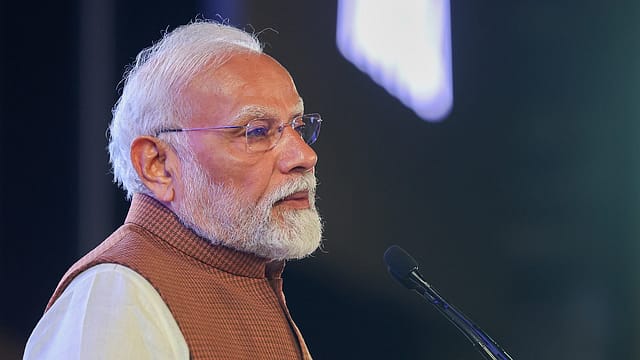
Prime Minister Narendra Modi will visit Israel on February 25 and 26. This will be PM Modi’s second visit to the country after 2017. The visit comes amid developments in West Asia and is expected to focus on defence, technology, trade and innovation.
During the two-day visit, PM Modi is scheduled to address the Knesset, the parliament of Israel. Only a few foreign leaders have addressed the Knesset. In 2015, former President Pranab Mukherjee addressed Israel’s Parliament. It was the first such address by an Indian Head of State to Israel.
Bilateral Talks and Agreements
Modi will hold talks with Israeli Prime Minister Benjamin Netanyahu and meet members of the Indian community. Both sides are expected to sign agreements in areas such as technology, artificial intelligence, agriculture, water management, security and trade.
The discussions are expected to review progress in the ongoing projects and explore new areas of cooperation between the two governments.
Focus on defence cooperation
Defence cooperation is likely to be a key part of the discussions. Israel is one of India’s main suppliers of military equipment and technology. The two countries have worked together on several defence platforms over the years.
Officials are also expected to discuss joint development projects in areas such as anti-ballistic missile defence systems, directed-energy laser weapons, long-range stand-off missiles and next-generation drones. These plans are in line with India’s efforts to expand domestic defence manufacturing and Israel’s expertise in military technology.
MoU on defence likely to be signed
Israel’s Foreign Minister Gideon Sa'ar recently spoke about the state of ties between the two countries. He described India as a "global superpower" and said relations of both the nations are "stronger than ever," covering defence, innovation, counterterrorism and trade.
After meeting External Affairs Minister S. Jaishankar in November 2025, Sa’ar said, "We are improving consistently. We are thankful for India's friendship," and added that the two countries were preparing to sign a Memorandum of Understanding on defence cooperation. He further said, "We are moving forward on defence, agriculture, and the economy, but we always have the passion to make it stronger."
Recent diplomatic engagements
The upcoming visit follows a series of high-level exchanges. Jaishankar and commerce and industry minister Piyush Goyal have visited Israel in recent months. Israeli ministers have also travelled to India. Israel sent a delegation from the government and private sector to the AI Impact Summit held at Bharat Mandapam in New Delhi, indicating cooperation in artificial intelligence and related sectors.
Netanyahu had earlier planned to visit India in December 2025, but the trip was first postponed and later cancelled. Subsequent telephone conversations between the two leaders led to an invitation for Modi to visit Israel. Netanyahu had previously made a six-day visit to India in 2018.
Announcing the visit on X, Netanyahu said the relationship between the two countries represents "a powerful alliance between two global leaders," based on innovation, security and a shared vision. In response, Modi said India "deeply values the enduring friendship with Israel, built on trust, innovation, and a shared commitment to peace and progress," and added that he looked forward to discussions in Jerusalem.
The visit is expected to review ongoing cooperation and set the direction for future engagement in defence, technology and trade between the two countries.
Netanyahu’s ‘Hexagon of Alliances’ Proposal
Israeli Prime Minister Benjamin Netanyahu has also spoken about what he calls a “Hexagon of Alliances”, a proposed six-country strategic framework centred on security, technology and economic cooperation. The idea is understood to involve Israel, India, the United States, the United Arab Emirates, Saudi Arabia and a key European partner. While not a formal military alliance, the framework is aimed at strengthening coordination in defence, innovation, artificial intelligence and trade, and reflects Israel’s effort to position India as a central partner in a wider regional and strategic network.