CAFE 3 norms explained: What India’s next-gen fuel efficiency rules mean for Automakers and buyers
/ 2 min read
Understanding CAFE 3: India’s upcoming fuel efficiency norms and their impact on automakers and car buyers
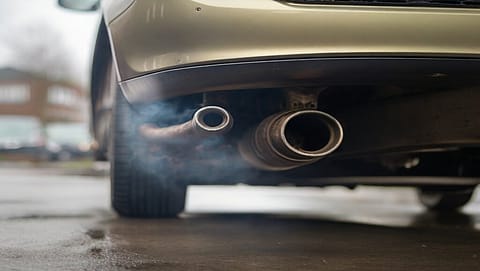
Representational Image | Credits: Shutterstock
India is preparing to roll out the third phase of Corporate Average Fuel Efficiency (CAFE) norms, with implementation expected from April 2027 for the 2027–2032 period. The new standards will further tighten fuel efficiency benchmarks for passenger vehicles and are likely to influence product strategy, technology investments and pricing across the sector,while also encouraging cleaner and more sustainable automotive solutions.
What are CAFE norms?
CAFE norms regulate the average carbon dioxide (CO₂) emissions of a carmaker’s entire fleet in a financial year. Instead of assessing individual models, regulators calculate a sales-weighted average across all vehicles sold by a manufacturer.
Introduced in 2017 and tightened in 2022 under the second phase, the framework aims to lower fuel consumption and reduce oil dependence and promote environmentally responsible vehicle production. Unlike Bharat Stage (BS) emission norms, which limit tailpipe pollutants, CAFE standards focus on overall fuel efficiency and CO₂ output.
How CAFE 3 norms work
Under CAFE 3, emission targets will continue to be linked to the average weight of vehicles sold. Heavier vehicles are permitted relatively higher limits, but the overall benchmark is expected to become more stringent during the five-year cycle.
The framework is also expected to retain compliance tools such as credit trading and fleet pooling. Carmakers that exceed their efficiency targets may generate credits, which can offset shortfalls elsewhere. Electrified vehicles — including hybrids and battery electric models — are likely to become central to managing fleet averages and and meeting stricter targets without significantly raising costs for consumers.
The regulation does not ban specific vehicle types; instead, it pushes manufacturers to improve efficiency across their portfolios, encouraging innovation in engine technologies and lightweight materials.
What happens if an OEM doesn’t comply?
Failure to meet fleet-average targets can attract financial penalties under the Energy Conservation framework. In order to aver this, carmakers may recalibrate their product mix, enhance engine efficiency or accelerate electrified launches. Repeated non-compliance could also affect brand reputation in a market that is increasingly environmentally conscious.
What it means for consumers
Buyers may see more fuel-efficient and electrified options in showrooms over time. However, tighter standards could increase production costs, particularly in price-sensitive entry segments, potentially influencing vehicle pricing and feature offerings.
Looking ahead
With 2027 approaching, automakers must balance affordability with compliance. CAFE 3 is set to play a decisive role in shaping India’s automotive roadmap over the next decade, driving technological upgrades and promoting a gradual shift toward cleaner and more sustainable mobility options.
NEXT STORY