The FAQs are AI-generated, and Fortune India is not responsible for its content or any associated copyright issues.
CV volumes to hit record 12.4 lakh units in FY27; growth to slow to 5–6%: Crisil Ratings
/ 2 min read
High base, export disruptions and cost pressures temper momentum even as domestic demand stays resilient
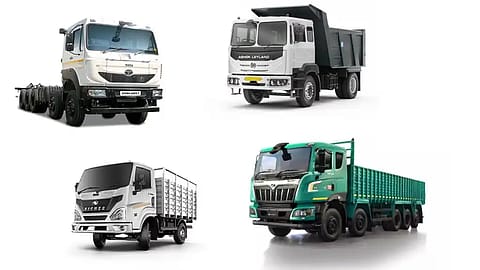
Despite this near-term drag, India’s position as a major MHCV production hub and potential trade agreements with key markets could support export growth over the medium term, according to Crisil | Credits: File Photo
India’s Commercial Vehicle (CV) industry, which made a comeback in FY26, is set to scale a new peak in fiscal 2027, with volumes expected to reach around 12.4 lakh units, surpassing the previous high of fiscal 2019, according to data shared by Crisil Ratings. However, after a strong 13% rebound in FY26, growth is projected to moderate to 5–6% amid a high base and emerging external headwinds.
Domestic demand is expected to remain the primary growth driver, accounting for nearly 92% of total volumes. The momentum will be supported by infrastructure-led activity, steady replacement demand and improved affordability following last year’s GST rate cut. The reduction in GST from 28% to 18% in September 2025, along with easing interest rates and better freight utilisation, helped unlock deferred demand and underpin the FY26 recovery.
“Domestic demand momentum is expected to continue this fiscal, albeit with some growth moderation owing to a higher base,” said Anuj Sethi, Senior Director, Crisil Ratings. Light commercial vehicles (LCVs), which account for about 60% of industry volumes, are expected to grow 5–6%, aided by e-commerce and last-mile delivery demand. Medium and Heavy Commercial Vehicles (MHCVs) are projected to expand 4–5%, supported by freight movement and infrastructure spending.
Exports slow; West Asia remains a key risk
Exports, which contribute roughly 8% of total volumes, are expected to decelerate sharply to 2–4% growth in FY27 from about 17% in FY26. Ongoing geopolitical developments in West Asia—accounting for nearly a quarter of exports—may disrupt shipping and defer dispatches.
Despite this near-term drag, India’s position as a major MHCV production hub and potential trade agreements with key markets could support export growth over the medium term, the report noted.
Margins under pressure despite pricing support
Revenue growth is likely to slightly outpace volume expansion, driven by calibrated price hikes. However, rising input costs—particularly steel, aluminium and fuel—could compress operating margins by 40–50 basis points from around 12% in FY26.
Recommended Stories
At the same time, a wave of regulatory changes—including Advanced Driver Assistance Systems (ADAS) mandates, Corporate Average Fuel Efficiency (CAFE-III) norms and proposed Bharat Stage VII emission standards—will push up compliance costs and vehicle prices over the next two fiscals.
Even so, the sector’s credit profile remains stable, supported by healthy cash flows and balance sheets. Annual capital expenditure of about ₹5,500 crore is expected to continue, keeping leverage in check while funding modernisation and regulatory compliance.