The FAQs are AI-generated, and Fortune India is not responsible for its content or any associated copyright issues.
31% buyers say cheated on silver purchases; 93% back mandatory hallmarking
/ 2 min read
Unlike gold, hallmarking for silver is not yet mandatory — a gap that the survey suggests is contributing to consumer risk.
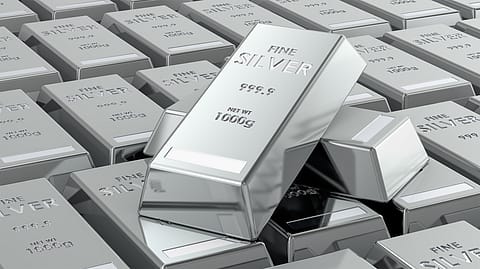
On the Comex, silver futures for March delivery fell sharply by $8.85, or 10.48%, to $75.55 per ounce. | Credits: Shutterstock
Nearly one in three consumers in India say they have been cheated while purchasing silver items, with an huge majority calling for the government to make hallmarking mandatory, highlighting growing concerns around quality and consumer protection in the segment.
A survey by LocalCircles found that 31% of respondents who bought silver jewellery or articles in the last five years reported being cheated, while 93% supported compulsory hallmarking to ensure purity and authenticity.
The findings come at a time when silver demand is rising sharply, particularly ahead of Akshaya Tritiya, an occasion traditionally associated with precious metal purchases.
Consumer risk rising with demand
The survey, which drew over 38,000 responses across 311 districts, indicates that consumer vulnerability remains significant despite growing awareness.
Of those who reported being cheated, 23% said such incidents occurred multiple times.
Industry observers say the risk is amplified as more consumers turn to silver as a relatively affordable alternative to gold.
Policy framework exists, but not mandatory yet
India introduced voluntary hallmarking for silver jewellery and artefacts from September 2025, backed by a digital identification system similar to gold hallmarking.
The system allows consumers to verify key details such as purity, origin and certification through a unique identification code, improving traceability across the value chain.
However, unlike gold, hallmarking for silver is not yet mandatory — a gap that the survey suggests is contributing to consumer risk.
With 93% of respondents backing compulsory hallmarking, the findings point to increasing public support for stricter regulation.
Consumer groups argue that making hallmarking mandatory could reduce instances of fraud and improve trust in the market, particularly as silver is widely used not just for jewellery but also for coins, utensils and investment purposes.
{{#most-powerful-women-snapshot-individual.slug}} {{/most-powerful-women-snapshot-individual.slug}} {{^most-powerful-women-snapshot-individual.slug}} {{/most-powerful-women-snapshot-individual.slug}} {{#showRanking}} {{current-rank}} {{/showRanking}} {{#photo.0.url}}
{{name}}
Silver has been trading in the range of ₹1.7 lakh to ₹1.9 lakh per kg in 2026, with demand estimated to grow 18–22% year-on-year. Higher prices and rising demand increase the financial stakes for buyers, making quality assurance mechanisms more critical.
Follow Fortune India
Frequently Asked Questions
NEXT STORY