The FAQs are AI-generated, and Fortune India is not responsible for its content or any associated copyright issues.
‘Demands raised by workers are relevant’: UP govt gives interim wage hike after Noida protests
/ 2 min read
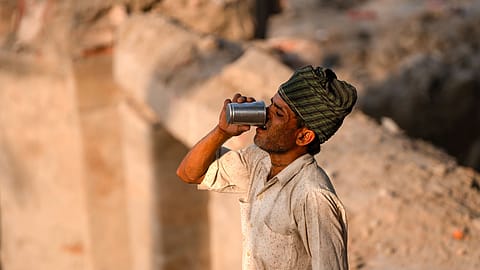
The government’s decision to hike minimum wages followed protests by factory workers in Noida, who demanded higher pay and better working conditions. | Credits: SOPA Images
‘Demands raised by workers are relevant’: UP govt gives interim wage hike after Noida protests
The Uttar Pradesh government has announced an interim hike in minimum wages after protests by Noida factory workers over low pay and rising living costs. Effective April 1, revised rates cover unskilled, semi-skilled and skilled workers across districts. Authorities call workers’ demands relevant and promise a Wage Board review to finalise a permanent wage structure.
This summary is AI-generated, and Fortune India is not responsible for its content or any associated copyright issues.
Under the revised hikes, the unskilled workers will now get ₹13,690 per month, increased from from ₹11,313, while semi-skilled workers will receive ₹15,059, and skilled workers will get ₹16,868
The government’s decision to hike minimum wages followed protests by factory workers in Noida, who demanded higher pay and better working conditions. | Credits: SOPA Images
The Uttar Pradesh government late on Monday announced an interim hike in minimum wages across worker categories after protests erupted in Noida against the current pay structure. The revised wages will be effective from April 1, according to an official statement.
“The objective of this initiative is to ensure that workers across the country are provided with a uniform baseline minimum wage to ensure just and fair remuneration,” the statement said.
What are the revised minimum wages now?
Under the revised hikes, the unskilled workers will now get ₹13,690 per month, increased from from ₹11,313, while semi-skilled workers will receive ₹15,059, and skilled workers will get ₹16,868.
In other Municipal Corporation areas, the revised monthly wages have been set at ₹13,006 for unskilled workers, ₹14,306 for semi-skilled workers, and ₹16,025 for skilled workers.
In the remaining districts, unskilled workers will receive ₹12,356 per month, semi-skilled workers ₹13,591, and skilled workers ₹15,224.
Why are factory workers protesting now?
The government’s decision to hike minimum wages followed protests by factory workers in Noida, who demanded higher pay and better working conditions.
Speaking to the media, workers said that with current wages, they are unable to meet basic needs or support their families, as rent and prices of daily essentials continue to rise due to the Iran war.
Recommended Stories
The state government said it had consulted all stakeholders and decided to implement an interim hike in minimum wages. It added that the process of finalising the new wage structure will begin after a Wage Board, to be set up next month, submits its recommendations.
‘Demands raised by workers are relevant’: UP Govt
Furthermore, the UP government said that as the war in West Asia has led to a rise in raw material prices and hurt exports, there is a need to adopt a “balanced approach,” while noting that the “demands raised by workers are relevant.”
"Currently, the industry is facing global and economic challenges. The prices of raw materials for industries have increased, and exports have declined. Furthermore, the problems and demands raised by workers are relevant, important, and worth considering. In such a situation, it is crucial to adopt a harmonious and balanced approach between both parties -- industry and workers -- to reach a decision," the state government said.