India is becoming the blueprint for creator-led growth, Connected TV and commerce: Gunjan Soni
/ 2 min read
Speaking at APOS 2026 in Bali, the YouTube India chief outlined how creator influence, premium viewing and commerce are converging to reshape India’s entertainment economy.
THIS STORY FEATURES
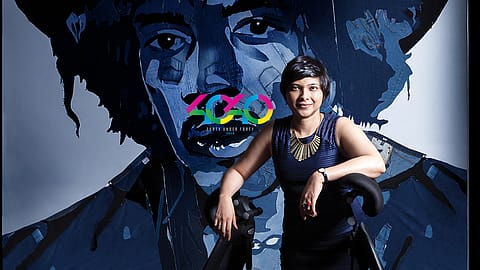
Gunjan Soni, country managing director, YouTube India | Credits: Sanjay Rawat
India’s video economy is entering a new phase—one that extends well beyond content consumption and increasingly blends premium entertainment, creator influence, commerce and connected viewing experiences.
Speaking at APOS 2026 in Bali, Gunjan Soni, country managing director, YouTube India, said India is emerging as a model for how digital creator ecosystems can scale into broader economic and cultural influence.
“YouTube is now India’s prime-time screen, where internet authenticity meets cinematic quality on the largest canvas in the home,” Soni said during the session.
According to Soni, the platform has collapsed traditional boundaries between formats and entertainment ecosystems, bringing Shorts, long-form content, podcasts, live programming and creator-led content into one unified viewing journey—particularly as audiences increasingly shift toward Connected TV (CTV).
She described YouTube’s approach to CTV growth as one built around connecting audiences across formats while expanding access to premium content.
The shift reflects a wider change in viewing behaviour, where living-room screens are becoming an increasingly important destination for digital-first entertainment. Independent creators are also evolving beyond individual channels into structured content businesses and premium intellectual properties that attract mainstream audiences.
How is Connected TV reshaping India’s entertainment economy?
Soni emphasised that YouTube continues to see itself as a collaborative growth partner for the media and entertainment ecosystem rather than a competing distribution layer.
“The shift of audiences toward Connected TV and the deepening fandom on YouTube is a massive opportunity to expand the entire commercial pie and give premium entertainment content a highly profitable, multi-layered lifecycle,” she said.
Beyond content, Soni identified commerce as the next major growth engine.
She said India’s content-to-commerce cycle is accelerating as consumers increasingly turn to creator-led recommendations and discovery journeys before making purchases.
“Our unique approach relies on turbocharging the existing user needs and their trust in creators’ recommendations. A whopping 200 million logged-in users searched for shopping content on YouTube last year,” she said.
{{#most-powerful-women-snapshot-individual.slug}} {{/most-powerful-women-snapshot-individual.slug}} {{^most-powerful-women-snapshot-individual.slug}} {{/most-powerful-women-snapshot-individual.slug}} {{#showRanking}} {{current-rank}} {{/showRanking}} {{#photo.0.url}}
{{name}}
The company sees shopping behaviour becoming increasingly integrated into video experiences, creating opportunities for creators to monetise beyond advertising and develop direct consumer relationships.
Can creators become India’s next economic growth engine?
That transition, according to Soni, is also reshaping the broader creator economy.
“India’s creative economy has matured into a vital macroeconomic pillar that drives national GDP while actively reshaping global pop culture in real time,” she said.
She added that building domestic economic mobility and strengthening India’s export potential through creators are equally important priorities.
“India represents the blueprint for how a digital creator economy achieves institutional scale,” Soni said.
Sports remains another strategic area of focus.
Soni said YouTube occupies a distinct role in sports engagement because fan participation increasingly extends beyond live broadcasts into analysis, creator commentary, highlights and community-driven storytelling.
“YouTube owns the high-intent sports conversation 365 days a year, much before the match begins and long after the final whistle blows,” she said.
Describing the platform as an “infinite stadium” for fandom, Soni added that creator-led storytelling and official partnerships are helping sustain audience engagement throughout the year.
The broader message from APOS was clear: India’s next entertainment chapter will not be defined by a single screen or format, but by an interconnected ecosystem where creators, commerce and premium viewing increasingly converge.

Follow Fortune India
NEXT STORY