
The FAQs are AI-generated, and Fortune India is not responsible for its content or any associated copyright issues.
India’s food industry bets on storytelling as the next growth driver: Godrej Food Trends Report 2026
/ 3 min read
From chatpata flavours to hybrid home cooking, brands are leveraging culture, provenance, and memory to build pricing power and consumer loyalty in a maturing F&B market.
THIS STORY FEATURES
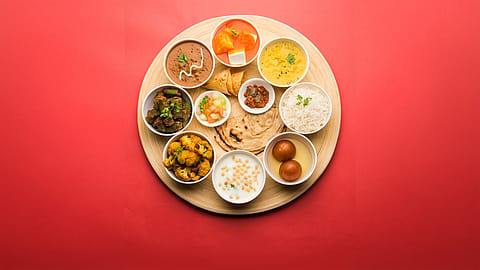
The report indicates that consumer demand is tilting towards bold, layered flavour profiles, reflecting India’s inherent preference for “chatpata” tastes. | Credits: Shutterstock
India’s fast-evolving food and beverage (F&B) market is entering a phase where storytelling, rather than just product innovation, is becoming a key lever for growth and differentiation. The latest Godrej Food Trends Report 2026, released by Godrej Industries Group’s Vikhroli Cucina platform, suggests that the next wave of value creation in the sector will be driven by narratives around provenance, culture, and memory—reshaping how brands engage with consumers and price their offerings.
Now in its ninth edition, the report draws insights from over 200 chefs, nutritionists, food writers, and entrepreneurs, and marks a shift in focus from what Indians eat to why it matters. The central theme this year—“Stories”—signals a deeper consumer shift, where food is increasingly being consumed as an experience rooted in identity and connection rather than just taste or convenience.
Is storytelling becoming the new currency in India’s food business?
This transition is already visible across segments. From premium dining to packaged foods, brands are leaning into hyper-local sourcing, regional narratives, and cultural authenticity to stand out in a crowded marketplace. Celebrity chef Ranveer Brar captures this shift succinctly: “Food is only powerful when it tells a story. India, with its diverse flavours and beautiful contradictions, has so many stories waiting to be told. Today, conversations have evolved beyond recipes to talk about ingredients, places, people, and the culture behind food.”
The report indicates that consumer demand is tilting towards bold, layered flavour profiles, reflecting India’s inherent preference for “chatpata” tastes. This is expected to drive innovation not only in restaurants but also in packaged snacks and quick-service formats, where flavour experimentation has become a key battleground. At the same time, the rise of women-led agricultural ecosystems is likely to reshape sourcing strategies, with traceability and sustainability becoming premium attributes that brands can monetise.
Equally significant is the reinvention of traditional Indian sweets. Mithai, long associated with festive consumption, is being reimagined with modern techniques and global influences, opening up new opportunities in premium gifting and experiential retail. Parallelly, the functional foods segment is undergoing a shift, with protein products moving away from sweet formats to savoury, spice-forward offerings that better align with Indian taste preferences.
What does this mean for how Indians cook and consume food at home?
The report also highlights how home cooking is being redefined by hybrid consumption patterns. Time-constrained urban consumers are increasingly relying on pre-prepared bases and ready-to-cook formats, while still seeking the emotional satisfaction of finishing meals at home. Chef Amrita Raichand points to this balancing act: “Today’s consumers are choosing options that don’t compromise on nutrition or taste… the focus is on eating well without stress.”
For the restaurant industry, the implications are equally pronounced. After years of novelty-driven dining, there is a clear move towards authenticity and depth. Manish Mehrotra, chef and restaurateur, notes that diners are increasingly seeking “experiences that feel real, grounded, and emotionally familiar,” favouring focused, cuisine-specific concepts over broad, trend-led menus. This is expected to benefit regional cuisines and chef-led formats that can deliver both narrative and nuance.
Industry experts also see storytelling unlocking new avenues in culinary tourism and global positioning. Celebrity chef Vikas Khanna observes that international audiences are showing a growing appetite for India’s hyper-regional diversity, moving beyond landmarks to engage with home kitchens and local traditions.
Underlying these trends is a broader shift in how food content is consumed and created. Digital platforms—from short-form video to messaging apps—are emerging as critical tools for both discovery and skill-building, effectively becoming infrastructure for the modern food ecosystem. This convergence of content and commerce is likely to play a crucial role in shaping consumer preferences and accelerating trend cycles.
For companies operating across the food value chain—from FMCG majors to startups—the message is clear. Competing on convenience or novelty alone will not be enough. As the market matures, brands that can build credible, traceable, and emotionally resonant narratives around their products are likely to command stronger consumer loyalty and pricing power.
In that sense, the Godrej Food Trends Report 2026 underscores a structural shift in India’s F&B sector: from selling products to selling meaning.
Follow Fortune India
Frequently Asked Questions
NEXT STORY