The FAQs are AI-generated, and Fortune India is not responsible for its content or any associated copyright issues.
Tata Trusts board meeting to discuss dissenting views of Venu Srinivasan, Vijay Singh
/ 2 min read
RBI draft norms on asset-size-based NBFC norms to also feature in discussions
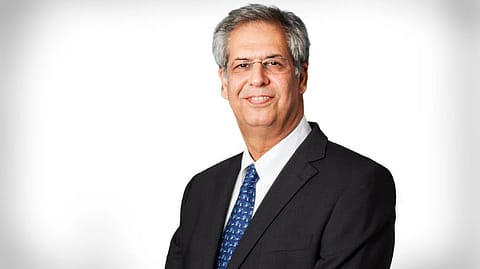
Noel Naval Tata, Chairman, Tata Trusts
The forthcoming meeting of Tata Trusts—scheduled for May 8—is expected to be contentious, as the trustees are expected to discuss the dissonance between the views of the two trustees—Venu Srinivasan and Vijay Singh—with the stated position of the Trusts that Tata Sons should stay private and not get listed.
A Tata Group source told Fortune India: “The discussion has been made part of the agenda so that the trustees are well prepared to make their case. The key question is that that while they have spoken on public governance and listing, what about their obligations towards the interest of the trusts?”
Third term for Chandra in focus
Besides the views on listing, the two trustees have also come out in support of a third term for Tata Sons chairman Natarajan Chandrasekaran, whose current term ends in February 2027. The Tata Sons chairman is currently in his second five-year term and his extension is now an important issue within the Tata Group. Tata Trusts chairman Noel Tata had, at Tata Sons’ board meeting on February 24 this year, sought clarifications on the financial performance of some businesses of the group including Air India and its new digital businesses, connecting it to an extension for Chandrasekaran. The Tata Trusts board meeting would be the first after the controversial Tata Sons board meeting.
TVS chairman emeritus Venu Srinivasan and retired defence secretary Vijay Singh, are trustees of SDTT (Sir Dorabji Tata Trust) and SRTT (Sir Ratan Tata Trust, which hold (27.98%) and (23.56%) in Tata Sons. The two majors have eight trustees in common.
RBI's new norms for NBFCs
Meanwhile, today (May 4) also marks the last day by when the Reserve Bank of India (RBI) had sought public comments on the draft new asset-size-based regulations governing upper layer non-banking financial companies (NBFC-UL). RBI has classified those NBFCs with asset base of `1 lakh crore as NBFC-UL, which brings Tata Sons under its category, given it has an asset base of `1.75 lakh crore. RBI has also amended that equity funding received from group companies or associates that have access to debt markets will be considered as having indirect access to public funds.
This has queered the pitch for Tata Sons’ desire to remain unlisted as a clutch of listed Tata Group companies also own stakes in the holding company. The Trusts board meeting will also deliberate on this critical point which could alter the fate of the $180-billion FMCG-to-semiconductor conglomerate.
Proxy advisory firm InGovern has also called for an early clarification from RBI on the status of Tata Sons’ application to be derecognized from a registered core investment company (CIC) to an unregistered/exempt entity. The Shapoorji Pallonji Group, which owns over 18% in Tata Sons, has also called for a listing in the interest of transparency and good governance.
Follow Fortune India
Frequently Asked Questions
NEXT STORY