Dubai real estate stays resilient amid gulf tensions, Indian investors anchor stability
/ 2 min read
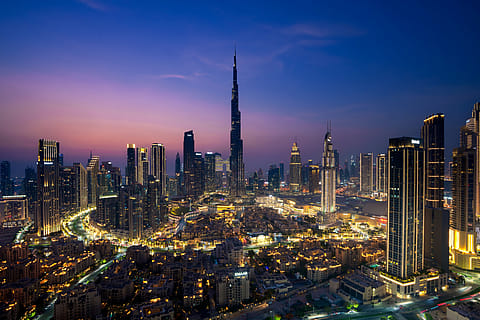
Representational image | Credits: Getty Images
Dubai real estate stays resilient amid gulf tensions, Indian investors anchor stability
Dubai's real estate market remains robust despite Gulf tensions, with Indian investors playing a key role in maintaining stability. The emirate's property sector entered the current uncertainty from a position of strength, recording historic transaction volumes in 2025. While geopolitical shocks may cause short-term caution, Dubai's diversified investor base and attractive rental yields ensure long-term resilience.
This summary is AI-generated, and Fortune India is not responsible for its content or any associated copyright issues.
Record transaction volumes, high rental yields, and a diverse investor base underpin Dubai property market strength despite regional unrest
Representational image | Credits: Getty Images
Dubai’s real estate market is facing renewed scrutiny as escalating tensions in the Gulf, including recent attacks affecting the UAE, raise questions about investor confidence. According to a recent Anarock report, while geopolitical shocks may trigger short-term caution, the underlying strength of Dubai’s property market remains intact.
Historic transaction volumes
The emirate entered the current uncertainty from a position of strength. In 2025, Dubai recorded AED 917 billion (around $250 billion) in real estate transactions—the highest ever—with more than 270,000 deals completed. Residential properties accounted for nearly 200,000 transactions valued at AED 538 billion, while prices have surged 60–75% since 2021, marking one of the most robust post-pandemic housing cycles globally.
Geopolitical tensions often prompt a “wait-and-watch” approach, particularly for off-plan and speculative investments. While recent incidents caused minimal physical damage, they introduced psychological caution among international buyers, temporarily moderating transaction activity rather than triggering immediate price corrections.
Tourism and commercial impacts
Extended instability could also affect tourism-driven revenues. The Middle East’s tourism industry, valued at $367 billion annually, could see 23–38 million fewer visitors, potentially reducing revenue by $34–56 billion. Short-term rentals, hospitality, and retail assets in tourist-heavy districts would feel the immediate impact, though Dubai’s large expatriate population continues to sustain housing demand.
Dubai’s real estate market benefits from a highly diversified global investor base, with buyers from over 150 nationalities. Indian nationals are the largest foreign investor group, accounting for 20–22% of all property purchases. Attractive rental yields of 6–9% and the UAE dirham’s peg to the US dollar further strengthen the city’s appeal.
Growing role of Indian developers
Indian-origin developers are expanding their footprint, contributing 8–10% of the development pipeline. Prominent players include Sobha Realty, Danube Properties, Shapoorji Pallonji Real Estate, and Casagrand, offering premium residential projects alongside local giants like Emaar and DAMAC.
Dubai has historically shown resilience through property cycles. Prices fell 50–60% during the 2008 financial crisis and 25–30% during 2014–2019, but recoveries were robust. Even the COVID-19 disruption saw the market rebound within 12–18 months, underlining the sector’s capacity to recover once confidence returns.
Business outlook
While short-term caution is likely, Dubai’s structural strengths—including a diversified investor base, policy flexibility, and global financial hub status—support long-term stability. Investor confidence and transaction activity are expected to normalize quickly once regional stability returns, maintaining Dubai’s position as a preferred destination for international property investment.
Follow Fortune India
NEXT STORY