West Asia conflict may strain India’s macros if prolonged: ICRA
/ 2 min read
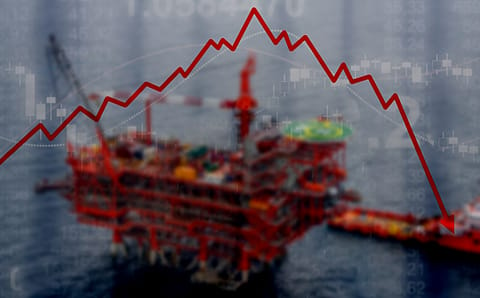
Higher fuel prices could also add to inflationary pressures, complicating monetary policy management | Credits: Fortune India
West Asia conflict may strain India’s macros if prolonged: ICRA
The ongoing conflict in West Asia poses significant risks to India's macroeconomic stability, warns ICRA. Rising oil prices and geopolitical tensions could impact inflation, trade balances, and oil marketing company margins, with potential disruptions in the Strait of Hormuz affecting global energy supply.
This summary is AI-generated, and Fortune India is not responsible for its content or any associated copyright issues.
Crude prices have risen from around $65 per barrel to $72–73 per barrel over the past few days, indicating growing supply concerns. The agency warned that any further escalation involving major oil and gas producers could trigger sharper price spikes.
Higher fuel prices could also add to inflationary pressures, complicating monetary policy management | Credits: Fortune India
The escalating conflict in the Middle East could have material implications for India’s macroeconomic stability if it widens or drags on, rating agency ICRA cautioned on Sunday, pointing to risks around oil prices, inflation, trade balances and oil marketing company (OMC) margins.
“The situation in West Asia is unfolding and the extent that it prolongs and widens would have a bearing on India’s macros, including the impact of fuel prices on inflation and the twin deficits, as well as remittances,” said Aditi Nayar, chief economist and head – research & outreach at ICRA.
Her comments come amid rising geopolitical tensions in the region that have already pushed up global crude prices in recent days.
Oil volatility intensifies
Prashant Vasisht, senior vice president and co-group head, corporate ratings at ICRA, said reported attacks on oil producers are likely to exacerbate volatility in crude oil markets.
Crude prices have risen from around $65 per barrel to $72–73 per barrel over the past few days, indicating growing supply concerns. The agency warned that any further escalation involving major oil and gas producers could trigger sharper price spikes.
A key flashpoint remains the Strait of Hormuz — one of the world’s most critical energy corridors — through which nearly 20% of global petroleum liquids and liquefied natural gas (LNG) shipments transit. Several major Middle East producers, including Iran, are located along the strait, making it particularly vulnerable to disruption.
Any impediment to shipments through this route could tighten global supply and push energy prices higher, ICRA noted.
India’s exposure
India’s dependence on the corridor heightens its vulnerability. In FY25, about 50% of India’s crude oil imports and 54% of LNG imports were routed through the Strait of Hormuz.
While Indian refiners have some flexibility to source crude from alternative geographies such as the US, Africa and South America, sustained high prices would inflate the country’s import bill and widen the current account deficit.
Higher fuel prices could also add to inflationary pressures, complicating monetary policy management.
Impact on OMC margins
Beyond macro indicators, elevated crude prices could squeeze marketing margins of oil marketing companies. Sustained high input costs may moderate profitability, particularly if retail fuel price adjustments lag global trends.
{{#most-powerful-women-snapshot-individual.slug}} {{/most-powerful-women-snapshot-individual.slug}} {{^most-powerful-women-snapshot-individual.slug}} {{/most-powerful-women-snapshot-individual.slug}} {{#showRanking}} {{current-rank}} {{/showRanking}} {{#photo.0.url}}
{{name}}
ICRA said the trajectory of the conflict — whether contained or escalating — will be key to determining the scale of impact on India’s economy in the months ahead.
Follow Fortune India
NEXT STORY