The FAQs are AI-generated, and Fortune India is not responsible for its content or any associated copyright issues.
Sensex, Nifty open higher as Asian markets rally on hopes of US-Iran breakthrough
/ 2 min read
At 9:46 am, the BSE Sensex surged 506.70 points, or 0.65% to 79,027.00. The NSE Nifty50 rose 138.00 points, or 0.57%, to 24,502.85.
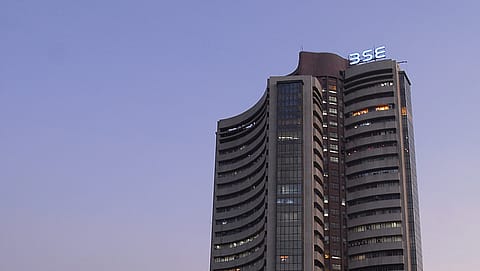
Investor sentiment improved further as the Nifty India Volatility Index slipped 4% to 18.04, indicating easing market anxiety. | Credits: Special Arrangement
Indian benchmark indices opened firmly higher on Tuesday, mirroring gains across Asian markets amid growing optimism that the US and Iran could reach a resolution before the ceasefire deadline expires.
At 9:46 am, the BSE Sensex surged 506.70 points, or 0.65% to 79,027.00. The NSE Nifty50 rose 138.00 points, or 0.57%, to 24,502.85.
Investor sentiment improved further as the Nifty India Volatility Index slipped 4% to 18.04, indicating easing market anxiety.
Among Nifty50 stocks, JSW Steel, Axis Bank, Adani Ports and Special Economic Zone, and NTPC emerged as the top gainers.
Broader markets upbeat, realty stocks shine
The broader market also remained upbeat, with the Nifty MidCap index rising 0.48% and the Nifty SmallCap index gaining 0.73%.
Sectorally, the Nifty Realty index led advances, supported by strong buying in Lodha Developers, Godrej Properties, and Oberoi Realty. The Nifty Private Bank and Nifty Bank indices also outperformed the broader market.
However, the Nifty IT index was the top sectoral loser in early trade.
Asian markets mixed, oil prices ease
Asian equities traded mixed on Tuesday, while oil prices edged lower amid renewed uncertainty over US-Iran negotiations.
Brent crude remained above $95 per barrel, slipping 0.4% to $95.10. US benchmark crude declined 0.9% to $86.66 per barrel.
In Japan, the Nikkei 225 jumped 1.1% to 59,485.54, led by gains in technology stocks. Tokyo Electron advanced 4.4% while SoftBank Group rose 5.5%. South Korea’s Kospi climbed 1.8% to 6,327.73 while Taiwan’s Taiex added 1.7%.
Rupee opens lower
The Indian rupee fell 16 paise to 93.32 against the US dollar in early trade, pressured by a firm greenback and the Reserve Bank of India’s decision to ease curbs on speculative positions in the domestic currency.
RANK
COMPANY NAME
REVENUE
(INR CR)
(INR CR)
{{#current-rank}} {{current-rank}} {{/current-rank}} {{^current-rank}} {{rank}} {{/current-rank}} {{name}} {{#revenue}} {{revenue}} {{/revenue}} {{^revenue}} {{noi}} {{/revenue}}
Forex dealers said positive domestic equities and foreign fund inflows supported the rupee, though lingering concerns over the West Asia peace process kept traders cautious.
On Monday, the RBI partially rolled back directives introduced on April 1 to curb excessive speculation in the rupee. The earlier measures had capped banks’ net open positions in non-deliverable forward markets at $100 million.
Frequently Asked Questions
NEXT STORY