


The FAQs are AI-generated, and Fortune India is not responsible for its content or any associated copyright issues.
Vedanta, Hindustan Zinc, NMDC, NALCO rally up to 6% as govt hikes gold, silver import duty; jewellery stocks fall
/ 2 min read
Investors dumped jewellery stocks on concerns that higher duties could raise raw material costs, impact demand and compress margins.
THIS STORY FEATURES
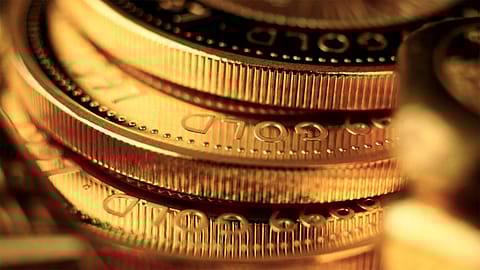
Jewellery stocks such as Sky Gold, Kalyan Jewellers, Khazanchi Jewellers, Shringar House of Mangalsutra, and Ethos were among top losers | Credits: Getty Images
Shares of jewellery and metal companies remained in focus today after the government raised import tariffs on gold and silver to 15% from 6% to restrict overseas purchases of the precious metals and ease pressure on the country’s foreign exchange reserves.
Reacting to the government’s move, shares of jewellery companies came under pressure on Wednesday, while metal stocks witnessed sharp buying interest. Investors dumped jewellery stocks on concerns that higher duties could raise raw material costs, impact demand and compress margins. On the other hand, metal stocks rallied strongly amid expectations that domestic producers and metal companies could benefit from the policy move.
Among jewellery counters, Sky Gold was the top loser, falling up to 8%. Kalyan Jewellers, Khazanchi Jewellers, Shringar House of Mangalsutra, and Ethos declined in the range of 1-4%.
However, the selling pressure was not uniform across the sector. Stocks such as Senco Gold rose nearly 4%, while Titan and Goldiam International gained up to 2%. Bluestone Jewellery and Lifestyle and Shanti Gold International also traded with gains.
Metal stocks shine
Meanwhile, metal stocks emerged as the biggest beneficiaries of the government’s decision. NMDC surged nearly 6%, while Vedanta climbed over 5%. Hindustan Zinc gained more than 4%, and NALCO advanced close to 4%.
Steel stocks also joined the rally, with SAIL jumping nearly 14%, emerging as one of the top gainers in the metal pack. Tata Steel rose over 3%, while JSW Steel and Jindal Steel & Power gained more than 3% each.
Other metal and mining counters including Hindalco Industries, MOIL and Jain Resource Recycling also witnessed strong buying interest.
Import duty to discourage gold, silver imports
Analysts said the increase in import duty is likely to discourage gold and silver imports, which could help narrow the trade deficit and support the rupee in the medium term. India is among the world’s largest importers of gold, and higher imports often put pressure on the current account deficit and foreign exchange reserves.
“Since India imports most of its gold and silver requirements, this directly increases the landed cost of bullion in the domestic market,” said Nirpendra Yadav, Sr. Commodity Research Analyst at Bonanza.
He added that higher customs duty can reduce official bullion imports, and this may support the Indian rupee and current account deficit. However, slow jewellery demand may increase chances of smuggling.
The government’s move comes at a time when global precious metal prices remain elevated and concerns over external sector stability have intensified amid geopolitical tensions and currency volatility.
{{#most-powerful-women-snapshot-individual.slug}} {{/most-powerful-women-snapshot-individual.slug}} {{^most-powerful-women-snapshot-individual.slug}} {{/most-powerful-women-snapshot-individual.slug}} {{#showRanking}} {{current-rank}} {{/showRanking}} {{#photo.0.url}}
{{name}}
(DISCLAIMER: The views and opinions expressed by investment experts on fortuneindia.com are either their own or of their organisations, but not necessarily that of fortuneindia.com and its editorial team. Readers are advised to consult certified experts before taking investment decisions.)
Follow Fortune India
Frequently Asked Questions
NEXT STORY