The FAQs are AI-generated, and Fortune India is not responsible for its content or any associated copyright issues.
Reshaping the urban landscape: What Jewar’s multimodal strategy teaches us about integrated infrastructure
/ 3 min read
In an increasingly connected world, the Jewar project showcases that true value moves far beyond standalone infrastructure. It lies in how that infrastructure integrates with existing and planned transport networks to create a sustainable, high-value ecosystem.
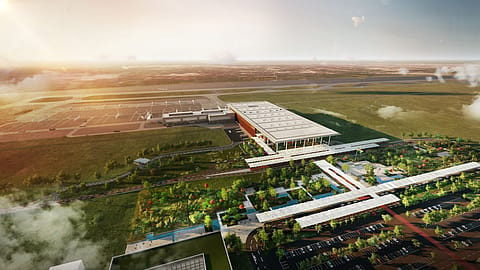
Jewar’s upcoming infrastructure and the application of this integrated approach is on an unprecedented scale for North India.
The development of the Noida International Airport (NIA) at Jewar is more than an aviation milestone. It has become a reflection of how synchronised infrastructure development can reshape the real estate landscape of a metropolis. As the NCR gets ready for this world-class airport to begin functioning on a full-time basis, the planned strategic orchestration of air, rail, road, and metro connectivity provides great insights into how we can navigate infrastructure-led investment opportunities across emerging markets.
Moving beyond single-point connectivity
The transformation of the region, while catalysed by the airport, does not end there. It includes the creation of an integrated transport ecosystem to ease commute and commerce. In fact, the airport’s success hinges on its seamless connection to the NCR’s existing and future infrastructure network through modes of transport.
This idea is not necessarily new. Many cities around the world have leveraged this to maximise returns from real estate.
Take London’s Heathrow expansion for example. Its impact on the Thames Valley corridor was phenomenal. Where the introduction of Crossrail (Elizabeth Line) improved airport access, it also created a commercial real estate belt stretching from Canary Wharf to Reading. Before the line was even completed, we saw property values along the corridor appreciate significantly, including rental prices that increased by an average of 28% between June 2022 and June 2025.
Jewar’s upcoming infrastructure and the application of this integrated approach is on an unprecedented scale for North India. At its core is a Ground Transportation Centre (GTC), a 20-acre facility consolidating multiple transit modes within walking distance of the terminals. This gives the airport key connections, including:
- Strategic road corridors: While the airport has primary access via the Yamuna Expressway, it will be directly linked to the Delhi-Mumbai Expressway by a new 31-km greenfield corridor. It also is connected to the Eastern Peripheral Expressway, allowing traffic to bypass Delhi.
- Rail and rapid transit: The Ghaziabad–Jewar RRTS (Namo Bharat) corridor is planned to connect the airport by 2030. Future phases include extending the Noida Metro's Aqua Line and integrating a station for the Delhi–Varanasi High-Speed Rail corridor.
This network creates connectivity convergence zones. Based on similar developments, these zones are anticipated to experience 40-60% higher rental yields in commercial real estate and 15-25% premiums in residential prices compared to areas with single connectivity.
Growth opportunities
The integrated connectivity strategy creates differentiated opportunities across asset classes:
· Residential: Areas along the Yamuna Expressway and in Greater Noida are emerging as popular destinations for homebuyers, with rising rental demand. The area is also expected to see a rise in luxury housing, catering to high-income groups and NRIs attracted by airport proximity and premium amenities.
· Office: Grade A office developments near these multi-modal transport hubs will command higher premiums in the future. The Yamuna Expressway corridor is already attracting corporate relocations and office set-ups.
{{#most-powerful-women-snapshot-individual.slug}} {{/most-powerful-women-snapshot-individual.slug}} {{^most-powerful-women-snapshot-individual.slug}} {{/most-powerful-women-snapshot-individual.slug}} {{#showRanking}} {{current-rank}} {{/showRanking}} {{#photo.0.url}}
{{name}}
· Logistics and warehousing: This is where Jewar’s potential is immense. The combination of an 80-acre multimodal cargo hub, direct expressway access, and proximity to the Dedicated Freight Corridor creates ideal conditions for e-commerce fulfilment centres and regional distribution hubs. This will establish the region as North India’s premier logistics gateway.
· Retail and hospitality: The rise in residents and travellers will set the stage for the significant increase in retail and hospitality developments in these areas. The convenience factor drives both business and leisure travel spending.
Future developments in these areas can create an integrated urban ecosystem where residential, commercial, retail, and leisure spaces coexist seamlessly. Taking a page out of the Delhi Aerocity development, the Noida International Airport corridor is likely to attract a more diverse tenant mix, positioning itself as a more strategic business location.
Replicating the Jewar model
With additional airport cities in Navi Mumbai, Mopa (Goa), Chennai, and others being planned, the Jewar development offers a convenient blueprint for replication. Key learnings from here, include:
- Create an integrated transportation plan from day one: Retrofitting connectivity is far more expensive and less effective
- Ensure alignment with all government authorities: The project’s success relies on coordination between central, state, and local bodies for timely execution
- Prioritise last-mile connectivity: The GTC, state roadway bus partnerships, and dedicated zones for smart taxis show a clear focus on the end-to-end journey
- Build ahead of demand: The scale of the infrastructure anticipates and encourages future growth, signalling that improved accessibility will bring additional demand
In an increasingly connected world, the Jewar project showcases that true value moves far beyond standalone infrastructure. It lies in how that infrastructure integrates with existing and planned transport networks to create a sustainable, high-value ecosystem.
The question for investors and developers is no longer whether they can drive value from integrated infrastructure; it is: Are you positioned to capitalise on the connectivity-driven growth corridor emerging around Jewar and beyond?
(The author is Senior Managing Director, North & East India and Head of Strategic Consulting, India, JLL. Views are personal)
Follow Fortune India
Frequently Asked Questions
NEXT STORY