The FAQs are AI-generated, and Fortune India is not responsible for its content or any associated copyright issues.
8th Pay Commission concludes first consultative meeting; staff push for higher pay
/ 2 min read
The revised pay structure is scheduled to come into effect from January 1, 2026
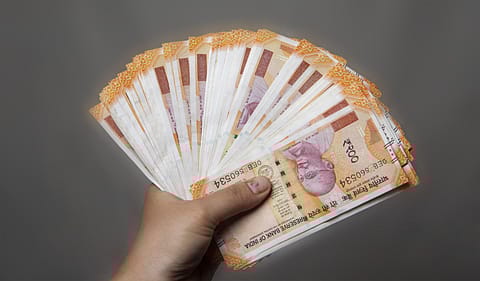
The commission’s proposals will impact nearly 1.17 crore people, including around 49 lakh serving employees across central ministries, railways, and postal services, and about 68 lakh pensioners and family pensioners | Credits: Sanjay Rawat
The first meeting between the National Council–Joint Consultative Machinery (NC-JCM) and the Commission marked the formal start of consultations for the 8th Central Pay Commission.
Held on April 28, 2026, the meeting saw Staff Side representatives present the key points of their memorandum to the 8th CPC.
It was chaired by Justice Ranjana Prakash Desai and attended by senior officials. As part of the consultation process, the Commission is holding stakeholder interactions in New Delhi from April 28 to April 30, 2026.
Set up on November 3, 2025, the panel has been asked to submit its final report within 18 months. The deadline for employees and unions to submit suggestions has been extended to May 31, 2026, giving stakeholders more time to present their views.
The revised pay structure is scheduled to come into effect from January 1, 2026. Since the report will be submitted after the effective date, the government is expected to pay arrears retrospectively once the recommendations are approved.
Wide impact across workforce
The commission’s proposals will impact nearly 1.17 crore people, including around 49 lakh serving employees across central ministries, railways, and postal services, and about 68 lakh pensioners and family pensioners. Personnel from the armed forces and central paramilitary forces will also be covered under the revision.
The first round of consultations was held in New Delhi from April 28 to April 30, where employee representatives raised demands related to pay structure, pension reforms and service conditions. Officials said the discussions were aimed at understanding concerns and expectations before drafting recommendations.
Recommended Stories
Fitment factor in focus
A key issue under discussion is the “fitment factor”, which determines how existing basic pay will be revised. Employee unions, including the National Council of Joint Consultative Machinery (NC-JCM), have demanded a fitment factor of 3.83, which could raise the minimum basic salary to about ₹69,000 from the current ₹18,000.
However, market estimates suggest the government may settle for a lower factor in the range of 2.86 to 3.25, implying an average salary increase of 25–30%. The commission is examining these demands against a backdrop of strong government revenues. Goods and Services Tax (GST) collections stood at ₹2.43 lakh crore in April 2026, indicating healthy fiscal inflows. The current dearness allowance (DA), which stands at 60%, is expected to be merged into the revised basic pay under the new framework.
Nationwide consultations planned
Following the Delhi meetings, the commission will expand consultations across the country. It is scheduled to visit Hyderabad on May 18–19, Srinagar from June 1–4, and Ladakh on June 8. Stakeholders have been invited to submit their memorandums through the official portal within the specified timelines.
In addition, field visits to railway and defence establishments are planned from June to assess specific allowance requirements. Officials said this consultation phase will play a critical role in shaping the final recommendations, which are expected to have a significant bearing on pay structures, pension benefits and service conditions for central government employees across the country.
RANK
COMPANY NAME
REVENUE
(INR CR)
(INR CR)
{{#current-rank}} {{current-rank}} {{/current-rank}} {{^current-rank}} {{rank}} {{/current-rank}} {{name}} {{#revenue}} {{revenue}} {{/revenue}} {{^revenue}} {{noi}} {{/revenue}}