RBI seeks to bring in new definition of ₹1 lakh crore asset size to identify upper layer NBFCs
/ 2 min read
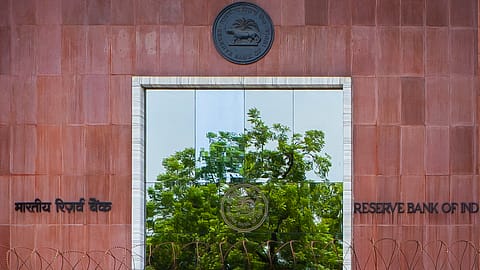
Representational Image | Credits: Sanjay Rawat
RBI seeks to bring in new definition of ₹1 lakh crore asset size to identify upper layer NBFCs
The Reserve Bank of India has proposed a clear asset-size threshold of ₹1 lakh crore and above to classify upper layer NBFCs, replacing a complex mix of rankings and qualitative factors. The new rule, to be reviewed every five years, has major implications for large groups like Tata Sons, intensifying debate over whether the holding company should be publicly listed.
This summary is AI-generated, and Fortune India is not responsible for its content or any associated copyright issues.
The draft gains huge significance in the backdrop of the debate of whether to keep Tata Sons private; regulator seeks responses to draft by May 4
Representational Image | Credits: Sanjay Rawat
The Reserve Bank of India (RBI) has proposed to replace the existing methodology to identify the upper layer non-banking financial companies (NBFC-UL) through a specific yardstick of an asset size criteria as ₹1,00,000 crore and above.
The central bank said this was being revised “with a view to adopt a transparent, simple and absolute criteria for identification of NBFC-UL” it said in a statement issued on their website.
Simplified threshold, bigger stakes
The asset size threshold for identification of NBFC-UL will be reviewed every five years, the RBI added in the draft amendment. The earlier process was considered by experts to be complex and slightly vague because it involved a top ten asset ranking and a combination of quantitative and qualitative factors.
The RBI draft – feedback for which is invited from the public till May 4 – gains enormous significance for a large conglomerate like Tata Sons, which might raise pressure for it to list. Tata Trusts, the majority shareholder in Tata Sons with a 66% equity holding, wants it to stay private. Tata Trusts feel a listing could go against the need to preserve the group's philanthropic legacy.
On Friday, Shapoorji Pallonji Mistry, chairman of the Shapoorji Pallonji (SP) Group, which owns 18.4% stake in Tata Sons, the unlisted holding company of the $180-billion Tata Group, had once again reiterated the need for the public listing of the holding company.
Mistry said in a statement on Friday: “As I have stated earlier, we would like to reiterate that a timely listing of Tata Sons is not merely a regulatory compliance but a necessary evolution.”
Mistry further added in the statement that “the listing of Tata Sons is fundamentally in the public interest. A publicly listed holding company strengthens board accountability, broadens the investor base, and secures long-term value for all stakeholders. Besides, a listing will unlock value for millions of retail shareholders, create a more defined and robust dividend stream for the Tata Trusts, and expand the social and philanthropic impact that benefits the poorest sections of our country.”
The RBI Governor Sanjay Malhotra had in the recent post-monetary policy press conference been asked a question about the NBFC methodology, in the backdrop of the Tata Sons debate, but said that the bank will not respond on an individual case.
NEXT STORY