The FAQs are AI-generated, and Fortune India is not responsible for its content or any associated copyright issues.
US-Iran talks on edge as Tehran withholds confirmation, tensions rise
/ 2 min read
Brent crude was trading above $95 a barrel, while WTI crude stood at $87.62 at the time of publication. Dow futures were also up nearly 0.5%, indicating that markets remain hopeful of a positive outcome from the purported talks in Islamabad.
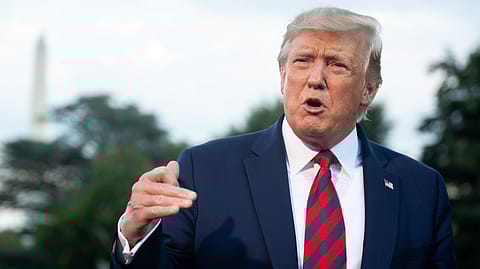
U.S. President Donald Trump. | Credits: Getty
Uncertainty deepened over the prospects of fresh U.S.-Iran peace talks on Tuesday, with no official confirmation yet from Tehran even as U.S. Vice President JD Vance prepared to travel to Pakistan for a possible new round of negotiations.
The lack of clarity comes just days ahead of the scheduled end of a fragile two-week ceasefire, with tensions escalating on multiple fronts — from military threats to disruptions in global oil routes.
Iran has so far not publicly confirmed its participation in the next round of talks. Iranian local media, citing IRIB, said that no diplomatic delegation has travelled to Islamabad, casting further doubt over whether discussions will resume as planned.
Adding to the uncertainty, Iran’s lead negotiator Mohammad Bagher Ghalibaf indicated reluctance, saying Tehran would not engage in talks under “the shadow of threats” — an apparent reference to U.S. President Donald Trump’s warning of potential strikes on Iranian infrastructure if negotiations fail.
However, conflicting signals have emerged. Reports citing senior Iranian officials suggest that a delegation may still be preparing to travel, with participation contingent on Vance’s presence at the talks.
Security tightened, but talks uncertain
Pakistan has ramped up security in Islamabad, deploying thousands of personnel and securing venues which hosted earlier negotiations. The preparations indicate that diplomatic channels remain open — even as public messaging from Tehran remains guarded.
Even if talks do resume, several core issues remain unresolved, including Iran’s nuclear programme and tensions around the Strait of Hormuz, a critical artery for global oil shipments.
Recommended Stories
Shipping activity through the strait has slowed sharply. According to data cited by NBC News, only 12 ships passed through the Strait of Hormuz in the past 24 hours, stressing the growing disruption.
The United States has also stepped up pressure, with a naval blockade targeting Iranian ports reportedly forcing 27 vessels to turn back, further tightening the chokehold on regional trade.
Meanwhile, regional security concerns have intensified. A report cited by The Wall Street Journal said that up to half of nearly 1,000 drone attacks on Saudi Arabia were launched by pro-Iranian militias operating from Iraq.
The ceasefire itself appears increasingly fragile. In his latest TruthSocial post, President Trump has accused Iran of violating the truce multiple times, raising fears that hostilities could resume if talks fail to materialise.
RANK
COMPANY NAME
REVENUE
(INR CR)
(INR CR)
{{#current-rank}} {{current-rank}} {{/current-rank}} {{^current-rank}} {{rank}} {{/current-rank}} {{name}} {{#revenue}} {{revenue}} {{/revenue}} {{^revenue}} {{noi}} {{/revenue}}
Brent crude was trading above $95 a barrel, while WTI crude stood at $87.62 at the time of publication. Dow futures were also up nearly 0.5%, indicating that markets remain hopeful of a positive outcome from the purported talks in Islamabad.
With both sides exchanging warnings and no clear confirmation from Tehran, the coming days are likely to prove critical — not just for diplomacy, but for stability across the Middle East and global energy markets.