Middle East conflict may push global hunger to record highs in 2026: WFP
/ 2 min read
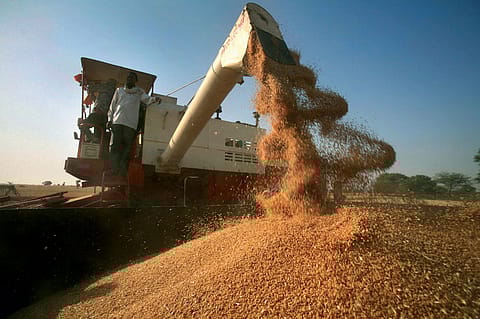
Rising fuel costs directly affect food production, transportation, and fertilizer prices, amplifying the risk of hunger.
Middle East conflict may push global hunger to record highs in 2026: WFP
The UN's World Food Programme warns that ongoing Middle East conflict could push global hunger to unprecedented levels by 2026, with 45 million more people facing acute food insecurity if oil prices remain high. Rising fuel costs are impacting food production and transportation, threatening vulnerable populations worldwide, particularly in Africa and Asia.
This summary is AI-generated, and Fortune India is not responsible for its content or any associated copyright issues.
Nearly 45 million additional people could fall into acute food insecurity or worse if the conflict persists beyond mid-year and oil prices remain above $100 per barrel.
Rising fuel costs directly affect food production, transportation, and fertilizer prices, amplifying the risk of hunger.
The United Nations World Food Programme (WFP) has warned that the number of people facing acute hunger worldwide could reach record levels in 2026 if the escalating conflict in the Middle East continues to disrupt the global economy.
According to a new WFP analysis, nearly 45 million additional people could fall into acute food insecurity or worse (IPC Phase 3 and above) if the conflict persists beyond mid-year and oil prices remain above $100 per barrel. Brent crude rose 3.77% to $111.4 per barrel on Thursday. This would add to the 318 million people already experiencing food insecurity globally.
Risk of a repeat crisis
The agency cautioned that the situation could mirror the fallout from the Russia-Ukraine War, which triggered a global cost-of-living crisis and pushed hunger to record levels, affecting 349 million people. During that period, food prices surged rapidly and remained elevated, leaving vulnerable populations unable to afford basic staples for extended periods.
Rising fuel costs directly affect food production
While the current crisis is centred around a key global energy hub rather than a major agricultural region, WFP noted that the impact could be similar due to the strong link between energy and food markets. Rising fuel costs directly affect food production, transportation, and fertilizer prices, amplifying the risk of hunger.
“In many parts of the world, families who are just managing to feed themselves may soon find they can afford little or no food at all,” said Carl Skau, Deputy Executive Director and Chief Operating Officer of WFP. “If this conflict continues, it will send shockwaves across the globe, hitting hardest those who already cannot afford their next meal.”
Supply disruptions worsen outlook
Disruptions to global shipping routes, particularly in the Strait of Hormuz and the Red Sea, are already driving up energy, fuel, and fertilizer costs, worsening food insecurity well beyond the Middle East.
Africa and Asia most vulnerable
WFP’s analysis highlights that countries in sub-Saharan Africa and Asia are particularly vulnerable due to their dependence on food and fuel imports. Food insecurity is projected to rise by 21% in West and Central Africa, 17% in East and Southern Africa, and 24% in Asia.
Countries such as Sudan and Somalia are especially at risk. Sudan imports around 80% of its wheat, making it highly exposed to price shocks, while Somalia, already grappling with severe drought, has seen essential commodity prices rise by at least 20% since the conflict began.
Funding gaps raise alarm
The looming crisis comes at a time when WFP is facing major funding shortfalls, forcing it to scale back programmes globally. The agency warned that without increased humanitarian funding, the growing food insecurity could have catastrophic consequences for millions already on the brink of famine.
Follow Fortune India
NEXT STORY