The FAQs are AI-generated, and Fortune India is not responsible for its content or any associated copyright issues.
‘Totally unacceptable’: Trump rejects Iran peace proposal, to discuss West Asia crisis during China visit
/ 2 min read
Iran pushed back strongly, warning it would retaliate against any fresh US strikes and resist further foreign military presence in the Strait of Hormuz
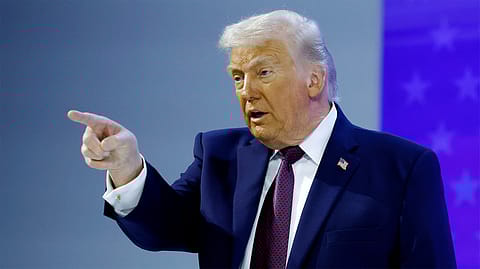
US President Donald Trump. | Credits: Getty Images
US President Donald Trump has rejected Iran’s proposal to end the over two-month-long war in West Asia, calling the terms “totally unacceptable” and signalling a possible escalation after weeks of negotiations. Trump will also be visiting China on May 13 to discuss the West Asia crisis.
The US President, facing growing domestic pressure to end the conflict, said Iran was “militarily defeated” and claimed its nuclear programme, one of the key triggers for the war, had been contained. However, he did not disclose details of Tehran’s counteroffer.
What did Trump say on Iran’s proposal?
"I have just read the response from Iran's so-called 'Representatives.' I don't like it -- TOTALLY UNACCEPTABLE!" he said in a post on Truth Social.
According to a report by The Wall Street Journal, Iran proposed diluting part of its highly enriched uranium stockpile and transferring the rest to a third country. Tehran also sought guarantees that the material would be returned if negotiations collapsed or if Washington withdrew from the agreement.
Trump did not address these specifics but later said the US was closely tracking Iran’s nuclear assets. "We'll get that at some point. Whenever we want. We have it surveilled. I did a thing called Space Force, and they are watching that... If anybody got near the place, we will know about it -- and we'll blow them up," he said.
Referring to US surveillance capabilities, he added, "If somebody walked in, they (Space Force) can tell you his name, address, his badge number."
Iran’s response
Iran pushed back strongly, warning it would retaliate against any fresh US strikes and resist further foreign military presence in the Strait of Hormuz. State media said Tehran rejected Washington’s counterproposal, calling it tantamount to surrender.
Iran’s demands include "war reparations by the US, full Iranian sovereignty over the Strait of Hormuz, an end to sanctions, and the release of seized Iranian assets."
China visit amid tensions
Separately, Beijing confirmed that Trump will visit China from May 13 to 15 at the invitation of President Xi Jinping.
The visit comes at a time when Washington and Beijing remain divided over trade, the Middle East conflict and Taiwan. Trump is expected to raise the Iran issue while also seeking to ease trade tensions.
“This will be a visit of tremendous symbolic significance," said Anna Kelly. “But of course, President Trump never travels for symbolism alone. The American people can expect the president to deliver more good deals on behalf of our country,” Kelly added.
{{#most-powerful-women-snapshot-individual.slug}} {{/most-powerful-women-snapshot-individual.slug}} {{^most-powerful-women-snapshot-individual.slug}} {{/most-powerful-women-snapshot-individual.slug}} {{#showRanking}} {{current-rank}} {{/showRanking}} {{#photo.0.url}}
{{name}}
The trip, Trump’s first to China in his second term and the first by a US president since 2017, will include ceremonial events such as a visit to the Temple of Heaven and a state banquet, the White House said.
Follow Fortune India
Frequently Asked Questions
NEXT STORY