
India’s two-wheeler market to grow 3–5% in FY27 amid steady demand, EV surge: ICRA
ADVERTISEMENT
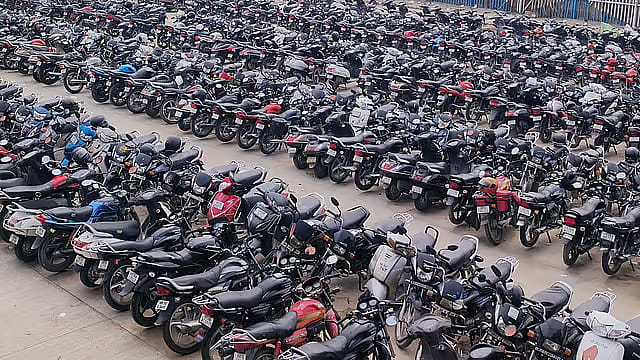
India’s two-wheeler industry is set to maintain a steady growth trajectory in FY2027, with wholesale volumes expected to expand by 3–5%, according to a research report by ICRA. The rating agency said the sector continues to benefit from improving affordability, replacement demand and sustained export momentum, even as it navigates macro headwinds such as a high base effect, potential monsoon disruption linked to El Niño conditions, and inflation-led price increases.
The outlook follows a strong performance trend in FY2026, underpinned by robust domestic demand, policy support and accelerating electric mobility adoption.
Domestic demand and policy push drive near-term momentum
ICRA noted that domestic wholesale volumes rose 15.7% year-on-year in May 2026 to 1.9 million units, supported by stronger consumer sentiment following GST 2.0 rationalisation and pre-emptive buying ahead of anticipated price hikes by manufacturers. Retail sales also remained resilient, growing 7.5% year-on-year during the month, reflecting sustained end-user demand across urban and semi-urban markets.
Export performance further strengthened the industry’s base, with shipments rising 31.3% year-on-year in May 2026. For FY2026, overall exports expanded 23.3%, driven by widening product portfolios and increasing global acceptance of Indian two-wheeler brands.
However, ICRA flagged that geopolitical tensions in West Asia remain a key monitorable, given the risk of supply chain disruptions and potential cost pressures for manufacturers dependent on global sourcing networks.
EV adoption accelerates, reshaping demand mix
The electric two-wheeler segment continued its rapid expansion, with retail sales surging 71.7% year-on-year in May 2026 to 1,72,148 units. As a result, electric two-wheelers now account for 8.9% of total industry penetration, reflecting rising consumer acceptance and gradual strengthening of charging and distribution ecosystems.
The momentum was supported by improved affordability, seasonal demand during the marriage season, and a broader product mix spanning both entry-level commuter models and premium offerings. However, extreme heat conditions in certain regions and intermittent supply constraints in select models moderated overall retail traction.
FY27 outlook: Stable growth, but normalization ahead
ICRA said the industry enters FY2027 on a strong footing, supported by steady rural and urban demand recovery. However, it expects growth to normalise as the impact of a high base, volatile weather patterns, and input cost pressures weigh on the pace of expansion.
While internal combustion engine (ICE) vehicles continue to dominate volumes, the rapid rise of electric two-wheelers and expanding export opportunities are expected to be key structural drivers shaping the sector’s medium-term trajectory.