
Delhi-based think tank GTRI proposes transparent fuel pricing model to curb volatility
ADVERTISEMENT
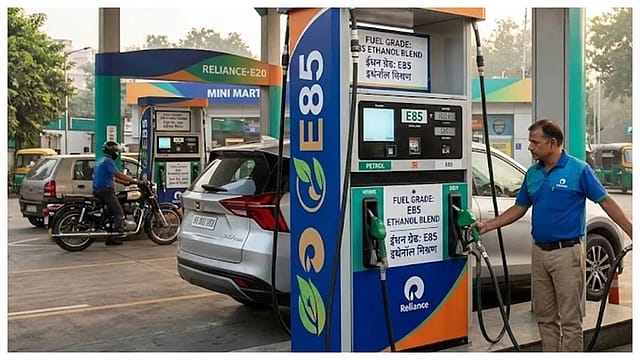
Delhi based think-tank Global Trade Research Initiative (GTRI) has proposed a Fuel Price Transparency Framework (FPTF) for pricing of fuel in times of high volatility in global crude oil prices.
“As of May 9, 2026, Brent crude futures were trading around $100–101 per barrel after fluctuating sharply between $58.72 and $126.4 during the past year. In April 2020, prices had briefly fallen below $20 per barrel. For India, which imports nearly 90% of its crude oil requirement, such volatility creates significant macroeconomic risks. Higher crude prices increase inflation, widen the trade deficit, strain government finances, reduce household spending and slow economic growth. The proposed FPTF aims to bring greater transparency and predictability to fuel pricing,” says Ajay Srivastava, founder GTRI.
According to the proposed framework, petrol prices would be calculated through four clearly defined steps.
The first step is converting crude oil prices into rupee terms. If global crude oil prices are $100 per barrel and the exchange rate is Rs 93 per dollar, one barrel of crude would cost Rs 9,300. Since one barrel contains 159 litres, the crude-linked fuel cost works out to around Rs 58.5 per litre.
The second step is ethanol blending. Petrol in India currently contains about 20% ethanol. Assuming ethanol costs Rs 60 per litre, the blended fuel cost rises slightly to around Rs 58.8 per litre.
The third step adds refining, transport, marketing and dealer margins. Under the proposal, a fixed 15% margin would be allowed for Oil Marketing Companies (OMCs) to cover refining operations, logistics, retail operations and dealer commissions. This raises the pre-tax petrol price to roughly Rs 67.6 per litre.
The fourth and final step is taxation. With combined central excise duty and state VAT currently estimated at about Rs 28.9 per litre in Delhi, the final retail petrol price works out to around Rs 96.5 per litre, close to prevailing market prices, GTRI points out.
The framework also allows governments to estimate the impact of future oil shocks, Srivastava says. “For example, if crude oil prices rise to $120 per barrel and the rupee weakens to Rs 95 per dollar, petrol prices could cross Rs 110 per litre if taxes remain unchanged. However, a 10–15% reduction in fuel taxes could moderate prices to around Rs 102–106 per litre”, he explains.
GTRI argues that the framework would not necessarily make fuel cheaper, but would make pricing more transparent and credible. “Every component of the final pump price — crude cost, exchange rate, ethanol blending, OMC margins and taxes — would become visible to consumers”, Srivastava says.
According to him, the proposal also balances the interests of all stakeholders by ensuring predictable margins for OMCs, stable tax revenues for governments and a fair fuel burden for consumers. “In an economy heavily dependent on imported crude oil, transparent fuel pricing has become essential for fiscal discipline, public trust and macroeconomic stability”, Srivastava adds.