
Flipkart Minutes hits 1,000 micro fulfilment centres in under two years as Bharat fuels quick commerce growth
ADVERTISEMENT
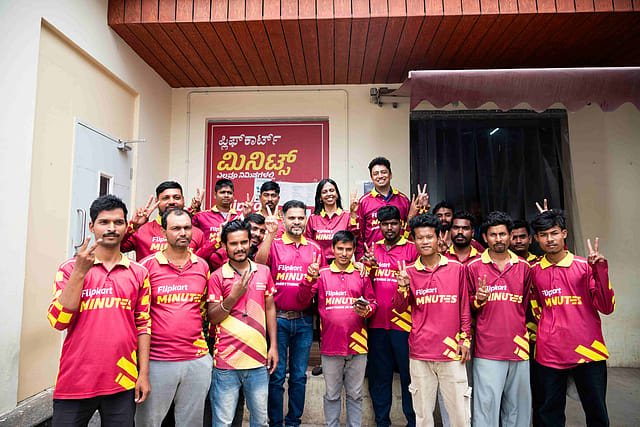
Flipkart Minutes has crossed 1,000 micro fulfilment centres (MFCs) across more than 130 cities and over 8,000 pincodes in less than two years since its launch in August 2024, signalling the rapid expansion underway in India’s fiercely competitive quick commerce market.
The milestone comes as quick commerce players deepen their presence beyond metros and widen assortment categories to capture rising consumer demand for faster deliveries and higher shopping frequency. Flipkart said order volumes on Minutes have grown 5X over the previous year as network expansion accelerated across both urban and emerging markets.
A key driver of this growth is Bharat. According to the company, Tier 2 and Tier 3 markets recorded a 42X increase in scale compared with last year, supported by store additions and entry into more than 90 new cities including Ambala, Arrah, Bokaro, Darbhanga, Jorhat, Ongole, Purnia, Saharsa, and Tenali.
“Reaching 1,000 micro fulfilment centres is an important milestone in our journey, but more importantly, it reflects how consumer adoption of quick commerce is evolving across India,” said Hemant Badri, SVP and head, supply chain, AI transformation, new business, customer experience and recommerce, Flipkart Group.
“We are seeing strong momentum across Bharat, reinforcing our belief that the next phase of quick commerce growth will be driven by deeper reach, wider selection, and greater accessibility,” he added.
How are Gen Z consumers reshaping India’s quick commerce landscape?
The Walmart-owned e-commerce company also highlighted a shift in consumer behaviour, particularly among younger shoppers. Gen Z has emerged as Flipkart Minutes’ fastest-growing customer segment and now contributes over 40% of its customer base. The cohort is increasingly using quick commerce not only for essentials but also for categories such as electronics, beauty, wellness and lifestyle.
“What began as a way to fulfil everyday essentials has evolved into a fundamentally new shopping habit for millions of Indians,” said Kunal Gupta, SVP and head of Flipkart Minutes.
Consumer engagement has expanded alongside category growth. Flipkart said average order values for fruits and vegetables increased 30%, while repeat purchases rose more than 20%. Demand now spans over 250 categories, reflecting the platform’s push to evolve from grocery-led fulfilment to broader convenience commerce.
Beyond scale, Flipkart Minutes said it now works with nearly 500 D2C brands and has supported more than 3,000 farmers through its Samarth Krishi programme. The company also doubled its electric vehicle fleet over the past year, enabling over 10% of deliveries through EVs as it builds a more sustainable delivery network.