
Hydropower generation falls across Asia in June as El Niño pressures reservoirs; coal, LNG likely to bridge supply gap
ADVERTISEMENT
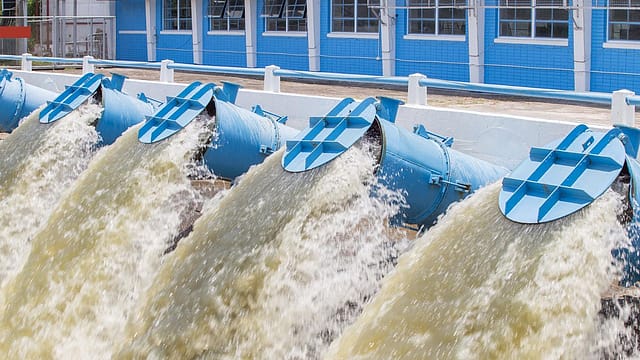
Hydropower generation across several Asian markets declined sharply in June as weak rainfall and El Niño-related weather conditions reduced reservoir inflows, increasing reliance on coal- and gas-fired power generation to maintain grid stability, according to a report by S&P Global.
Combined hydropower output across Japan, South Korea, India, Bangladesh, Vietnam, the Philippines, and Malaysia fell by around 13 average gigawatts (aGW) year-on-year in June, with India and Vietnam accounting for more than 80% of the regional decline.
India recorded the largest drop in hydroelectric generation, with output falling by 6.3 aGW from a year earlier, followed by Vietnam, where generation declined by 4.6 aGW. The report said the widespread decline across multiple countries points to a common weather-driven trend rather than isolated local factors.
Hydropower is one of the most flexible sources of electricity generation, capable of responding quickly to fluctuations in demand and intermittent renewable energy output. A sustained decline in hydro generation therefore requires other dispatchable sources of electricity to maintain grid reliability.
According to the report, coal-fired power plants are expected to absorb much of the shortfall in countries such as India and Vietnam, where thermal generation remains the dominant flexible power source. Liquefied natural gas (LNG)-based generation is also likely to play a greater balancing role during periods of peak electricity demand.
The report noted that the loss of hydroelectric generation is already being offset through a combination of higher thermal power output and increased renewable energy generation.
In India, electricity demand rose by 24.3 aGW year-on-year in June. Alongside the 6.3 aGW decline in hydropower generation and a 0.8 aGW fall in gas-fired output, coal-fired generation increased by 20.7 aGW, while solar and wind generation together rose by 9.4 aGW.
Vietnam witnessed a similar trend. Power demand increased by 6.1 aGW year-on-year, while hydropower generation declined by 4.6 aGW. The shortfall was largely compensated by a 7.1 aGW increase in coal-fired generation, supported by higher output from gas, solar and wind power.
The report said lower hydropower availability is likely to increase thermal power generation requirements across Asia, potentially boosting demand for LNG as utilities seek flexible fuel sources to balance electricity supply.
Looking ahead, the report warned that El Niño conditions could continue to weigh on hydropower generation through the third quarter of 2026.
Current weather-adjusted projections indicate lower-than-normal hydropower utilisation across several Asian markets, particularly India, Bangladesh, Vietnam, and the Philippines, compared with scenarios without El Niño. If dry conditions persist through the summer, hydropower generation is expected to remain under pressure, extending the need for additional coal- and gas-fired generation to ensure energy security across the region.