
India–US trade deal a ‘game changer’ for Indian manufacturing: Bharat Forge’s Baba Kalyani
ADVERTISEMENT
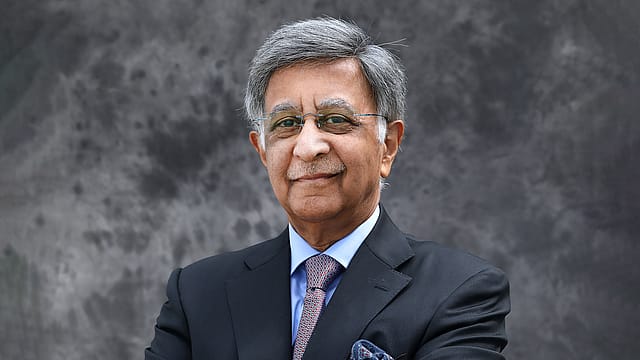
India’s newly announced trade agreement with the United States marks a decisive shift from transactional commerce to a long-term strategic partnership, and could significantly reshape the global ambitions of Indian manufacturers, according to Baba Kalyani, Chairman and Managing Director of Bharat Forge Ltd.
Strategic signal, not a routine trade pact
Kalyani described the agreement as far more than a tariff-focused arrangement, underlining its broader geopolitical and economic significance. “The India–US trade deal is not just about trade. It is about a long-term relationship between two of the world’s largest democracies,” he said, calling it a game changer for Indian industry and for Bharat Forge in particular.
Supply chain reset strengthens India’s global standing
At a time when global supply chains are being reconfigured amid geopolitical uncertainty, Kalyani said the agreement strengthens India’s position as a reliable manufacturing and sourcing hub. According to him, “The deal is expected to improve market access, enhance predictability in trade frameworks and deepen bilateral cooperation across critical industrial sectors.”
Bharat Forge eyes expansion across auto, aerospace and defence
For Bharat Forge, which has steadily expanded its international footprint, the agreement provides confidence to scale engagement in high-value segments.
“This agreement strengthens India’s position in the global supply chain and gives companies like Bharat Forge the confidence to expand engagement across automotive, aerospace, and defence,” Kalyani said, adding that the growth outlook is clearly positive.
Electric mobility and clean-tech exports gain momentum
Dr. Uday Narang, Founder and Chairman of Omega Seiki Mobility, said the trade understanding would provide a strategic push to India’s electric mobility ambitions. Improved market access and smoother trade frameworks, he noted, would make Indian EVs and components more competitive in the US, accelerating exports, technology partnerships and manufacturing investment.
Auto components sector bets on tariff stability and tech collaboration
Ravi Mehra, Managing Director of Uno Minda, termed the agreement a defining moment for the Indian auto components industry. He said tariff stability would significantly enhance export competitiveness and encourage advanced technology collaboration, while reinforcing India’s role as a trusted partner in the global automotive value chain.
What the India–US trade deal entails
The India–US trade agreement was announced following bilateral discussions between the leadership of the two countries and focuses on lowering tariffs on select goods, improving regulatory alignment and strengthening cooperation across manufacturing, defence, energy and technology.