
LPG supply fears trigger rush for induction cooktops across India: Survey
ADVERTISEMENT
Online platforms and neighbourhood electronics stores across major Indian cities are reporting a sharp rise in demand for induction cooktops, with several retailers running out of stock as households rushed to buy them in the days following Holi, according to a recent LocalCircles survey.
The surge in purchases has been driven largely by concerns that LPG cylinders may soon be delayed or become unavailable. Retailers say some outlets sold between 50 and 70 units a day over the past week, far above their typical sales volumes.
With online inventories getting exhausted in several cases, many consumers have turned to local markets to secure the appliances. Some buyers reported paying higher prices amid allegations of hoarding and artificial shortages.
LPG concerns spark precautionary buying
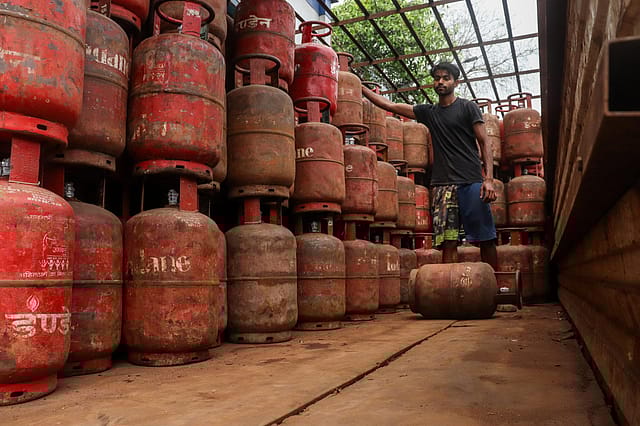
The sudden demand for electric cooking appliances is closely linked to growing concerns about LPG availability across the country. In several states, reports have emerged of panic buying of cylinders and long queues outside gas distribution centres.
These concerns are prompting households and small businesses to look for alternative cooking options. As per the survey, 57% of households reported facing delays in receiving their LPG cylinder last week while nearly one in five said they had to purchase a cylinder in the black market.
Industry experts say induction cooktops are increasingly being seen as an essential backup during periods of fuel uncertainty.
Beyond induction cooktops, demand for several other electric cooking appliances has also surged as households prepare for possible LPG supply disruptions.
Retailers report brisk sales of coil-based electric stoves, commonly known as hot plates, which remain popular due to their low cost and compatibility with standard cookware. Small eateries and budget-conscious households are among the biggest buyers.
Sales of electric rice cookers and electric pressure cookers have also risen sharply, with some e-commerce platforms reporting demand nearly four times the usual levels. These appliances are particularly popular among urban households because they can cook complete meals with minimal supervision.
Electric kettles and multipurpose cooking kettles are also seeing increased sales as companies promote their products aggressively on social media.
Demand for air fryers and compact electric ovens has also seen a modest uptick. In some areas, retailers have reported renewed interest in kerosene stoves, reflecting a broader shift among households in maintaining multiple cooking options amid fuel supply uncertainty.
Market observers say the ongoing geopolitical tensions in the Middle East have also heightened consumer anxiety about India’s energy supply outlook, adding to precautionary buying.
Survey shows rising adoption of induction cooktops
Against the backdrop of stockouts and rising prices, LocalCircles conducted a nationwide survey to understand how consumers were purchasing induction cooktops and why.
The survey received more than 39,000 responses from household consumers across 304 districts in India. Of the respondents, 61% were men and 39% were women. Around 42% were from tier-1 districts, 25% from tier-2 districts, and 33% from tier-3, 4 and 5 districts.
The findings show that 23% of Indian households surveyed purchased an induction cooking top in March in preparation for a potential LPG shortage.
Among 20,141 respondents who answered the question on how they purchased the appliance, 6% said they bought it from a retail store while 13% purchased it through an online platform. Another 4% bought it through other channels.
Meanwhile, 34% said they did not purchase one because they already owned an induction cooktop, while 40% reported that they neither had one nor purchased one during the period.
Concerns over price rise and product quality
Consumer feedback from the survey indicates that prices of induction cooktops have risen alongside demand, with several lesser-known brands entering the market to capitalise on the surge.
Reports of black marketing of LPG cylinders have further heightened consumer anxiety, prompting households to secure alternative cooking arrangements.
Consumer groups say the government should closely monitor the market to prevent profiteering by both online and offline retailers. They have also called for stricter enforcement to ensure that only Bureau of Indian Standards-certified products are being sold, given the safety risks associated with electrical cooking appliances.