
South Africa may impose 50% tariff on Indian auto exports; M&M, Tata Motors, Maruti in focus
ADVERTISEMENT
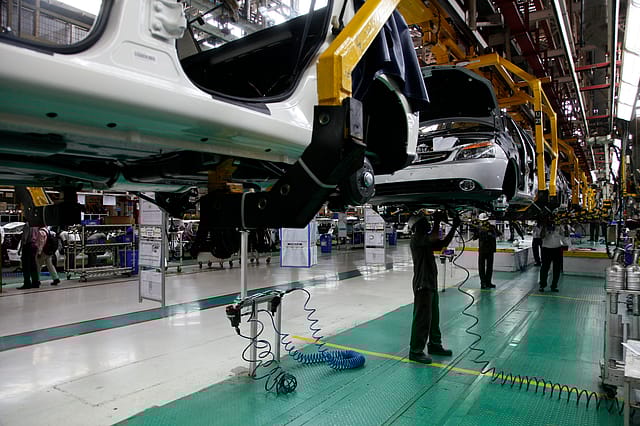
South Africa is considering to impose steep tariffs of up to 50% on fully built passenger vehicles imported from India and China, part of a broader review aimed at protecting local manufacturing from surging foreign competition. An internal review by South Africa’s Department of Trade, Industry and Competition (DTIC) is underway to assess possible measures, according to a Bloomberg report.
A 2025 Lightstone report showed that vehicles linked to India accounted for nearly 38% of passenger cars sold in South Africa in the early months of 2025.
“For completely built-up passenger vehicles, the bound rates there are at 50%, our duties at the moment are at around 25%,” said Ayabonga Cawe, commissioner of South Africa’s International Trade Administration Commission, according to the report. “On components, there is some room to maneuver — depending on what the origin market is — of between 10% and 12%.”
Indian OEMs in South Africa: Key players at risk
Mahindra & Mahindra (M&M) : Mahindra has rapidly expanded in South Africa, becoming one of the top-10 sellers and a leader in the pickup segment. In 2025, the company reported a significant 40.7% year-on-year sales increase and inaugurated a new assembly facility in Durban.
Maruti Suzuki : Maruti may not sell extensively under its own brand, but it is a major manufacturing hub for several global brands whose vehicles are sold in South Africa. Reports indicate that approximately 84% of Japanese-branded light vehicles sold in South Africa are imported from India, including models like the Toyota Starlet, Starlet Cross, Vitz, and Urban Cruiser built by Maruti.
Tata Motors : Tata Motors re-entered the South African market in late 2025 through an exclusive alliance with Motus Holdings. The company has set an ambitious 6–8% mid-term market share target. However, higher tariffs on Indian imports could erode price competitiveness and slow Tata’s growth aspirations.
Ripple effects: India-EU trade deal and auto market sentiment
Compounding industry concerns, India and the European Union concluded a landmark free trade agreement this week, dubbed the “mother of all deals,” lowering tariffs on most goods traded between the two economies and opening auto markets on both sides.
Under the pact, New Delhi plans to cut import duties on EU cars from as high as 110% to about 10% over several years (subject to quotas), a move expected to benefit European brands such as Volkswagen, Renault, Stellantis, BMW, and Mercedes-Benz.
The announcement triggered sharp declines in Indian auto stocks on 27 January, with Mahindra & Mahindra falling over 4% — wiping out roughly ₹18,000 crore in market value — and Maruti Suzuki and Tata Motors also sliding on investor concerns about heightened competition domestically.
Analysts said that reactions were driven by sentiment: premium European imports primarily compete at the higher end of the market, while Indian OEMs dominate mass-market segments.