
US-India trade deal to bring buoyancy to diamond trade; India to grow 12% in 2026: Forevermark CEO
ADVERTISEMENT
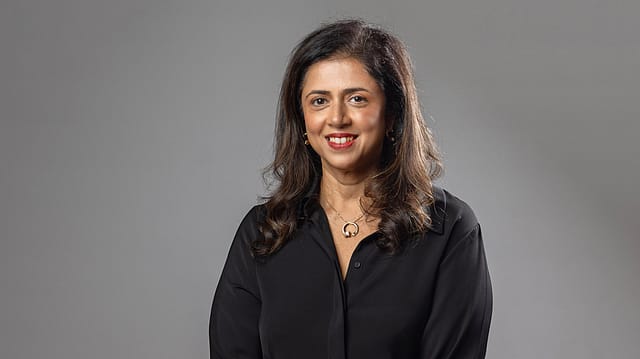
The recent reduction in US import tariffs has brought a sense of relief to India’s diamond industry, easing months of uncertainty for manufacturers and exporters heavily exposed to the American market. For De Beers Group, which sources, markets and sells natural diamonds globally, the US-India trade deal is already improving sentiment, even as the industry awaits clarity on whether rough diamonds will eventually be treated at par with gold as a raw material.
“It’s very good news because it went down from 50% to 18%,” said Shweta Harit, global senior vice president of De Beers Group and CEO of Forevermark, speaking on the sidelines of the India Art Fair in Delhi. “There is buoyancy right now. A lot of customers in the US were in a wait-and-watch mode. Now it’s clear, and that itself changes sentiment.”
Plus due to geopolitical uncertainty, as gold prices go up and down, Harit think it's an opportunity for diamonds because “the more gold prices go up, the bigger there is a chance of replacing that with diamond pricing”.
Harit added that while pricing pressure should ease for polished diamonds, the industry is still hoping for a zero-duty regime on rough diamonds. “Diamonds are finally a raw material. You can’t just wear it and walk. We are hoping they get the same exemption as gold,” she said.
India’s growing role in diamonds
India, which polishes nine out of every 10 diamonds globally, has emerged as De Beers’ second-largest market after the US and its fastest-growing one in recent years. According to Harit, India’s natural diamond jewellery market has been growing at a compound annual rate of around 12%, a pace the company expects to sustain into 2026.
Yet penetration remains low. While roughly 70% of jewellery sold in the US contains diamonds, the figure in India is only 12–14%. “We have a long way to go,” Harit said, pointing to the opportunity as diamond jewellery moves beyond bridal wear into everyday and self-purchase categories.
Forevermark, De Beers’ recent foray in retail in India, is betting on this shift. The company has opened five stores so far, including its first Tier-II outlet in Chandigarh, and plans to add 16 more this year through a franchise-led model. Its long-term target remains $100 million in revenue by 2030.
LGDs, rarity and consumer choice
The rise of lab-grown diamonds (LGDs), particularly in the US, has reshaped global conversations around value and pricing. Harit drew a sharp distinction between the two categories. “Lab grown and natural are completely different products,” she said, noting that LGD prices have collapsed to the point of becoming “fast fashion”.
In India, however, LGDs remain more talked about than bought. Harit flagged concerns around resale and exchange value as a key friction point. “Some brands are now not even doing exchange on lab grown because they are realising that when they go back, they are not getting the same price,” she said.
LGD prices have nosedived, with a nearly 96% drop in wholesale prices for one-carat and two-carat stones since 2018.
For De Beers, the focus remains on storytelling around rarity and origin. “A natural diamond is three billion years old, older than a dinosaur,” Harit said. “It’s a different feeling and emotion.”
That narrative found a fitting stage at the India Art Fair, where De Beers showcased an immersive sound-and-light installation tracing a diamond’s journey from the earth to the jeweller. “We really believe diamonds are nature’s art,” Harit said, linking craftsmanship, culture and design to why the brand chose an art platform to engage Indian consumers.